
Does your retirement plan guarantee you’ll sleep soundly when the storms roll in— or could a single market dip or unexpected bill keep you up at night? If you’ve spent decades saving, it’s time to answer the question nobody asks in the glossy brochures: Which option—an annuity or a 401(k)—truly protects your family’s future in Tampa? Let’s have a real conversation about the answer.
Before We Begin: Why It Matters to Get This Decision Right in Tampa
Living in Tampa means warm breezes, sandy shores, and, for many, a dream of relaxing days in retirement. But ask anyone who’s stepped into those retirement years, and you’ll hear that the stakes feel higher than ever. The right choices today will echo for decades—covering your bills, your healthcare, your grandkids’ visits, maybe just your peace of mind on a stormy night. Picking between an annuity and a 401(k) here isn’t academic. It’s about knowing you’ll wake up to sunshine—financially and emotionally—whether the market’s up, down, or sideways. I’ve made these decisions myself, and I’ve walked hundreds of Tampa neighbors through them, too. You deserve answers you can feel in your gut, not just read in the fine print.
With the right information, you don’t have to guess or hope. You can build a written plan—on your terms, for your family’s reality. That’s what this guide is designed to help you do. Let’s sit together and separate what’s essential from the rest.

What You’ll Learn About Annuity vs 401(k) in Tampa
- The essential differences between annuities and 401(k)s—translated into plain English
- Which retirement account better fits your family’s retirement goals—and why that matters in Tampa
- How income in retirement, risk tolerance, and investment options play out in real life
- Plain advice you can use—even if you never step into my office
Annuity vs 401(k) in Tampa: Setting the Record Straight
Let’s clear the slate and talk plainly: “Annuity vs 401(k)” isn’t a contest to crown a winner—it’s about choosing the right tool for your financial goals and realities. Too often, retirees are told to pick one side and stick to it. But in truth, both annuities and 401(k)s are designed to help you turn your savings into spendable, reliable retirement income, each in their own way. Knowing which matches your needs starts with understanding how they’re built, where they shine, and where they can disappoint. It’s not about jargon or scare tactics. It’s about what solves your problem.
In Tampa, your decision might look different than someone’s in Ohio or New York. Market volatility, hurricanes, family nearby—or far away—all shape what you’ll need from your retirement plan. It’s my job to break these choices down so you can see the road ahead, skip the confusion, and defend your sleep at night. Let’s get plain about what’s what.

The Heart of the Matter: What’s an Annuity?
An annuity is a contract—not a mystery box—with a company that promises, in exchange for your lump sum or ongoing contributions, to send you checks (your “income stream”) in retirement—often for as long as you live. Think of it as building your own pension when no employer will hand you one. Some annuities guarantee income, no matter what the market does; others offer fancier investment options, sometimes with more risk. What matters most is this: With an annuity, you trade a pile of savings for a stream of predictable income. The insurance company takes on certain risks—longevity, market downturns, or outliving your money. This is not about Wall Street or stocks; it’s about making sure you can’t run out of paychecks if you live “too long”—a good problem to have.
The fine print matters. Not every annuity is created equal, and, yes, fees and surrender penalties are real. But the core purpose is peace of mind: putting a floor under your retirement so market storms or sleepless nights can’t steal your security. Tampa retirees often turn to annuities when they want a “do not disturb” sign on part of their monthly bills, rain or shine.
The Nuts and Bolts: What’s a 401(k)?
Your 401(k) is a workplace retirement savings plan. Each paycheck, you squirrel away dollars—tax-deferred—often with a helpful nudge (a matching contribution) from your employer. Over decades, your 401(k) grows, usually invested in mutual funds, target-date funds, or stocks and bonds. When you retire, it’s up to you to turn that giant savings pile into reliable monthly income. There’s tremendous flexibility (and yes, responsibility) here—you choose how to invest, withdraw, and manage the risks.
But with that freedom comes uncertainty. Your 401(k) is as steady as the market allows. In good years, it grows; in bad, it can shrink. Taxes eventually come due—you’ll pay taxes as ordinary income on each withdrawal. For folks retiring in Tampa, a 401(k) lets you keep control, but you also shoulder more risk. It’s a toolkit, not a guaranteed paycheck.

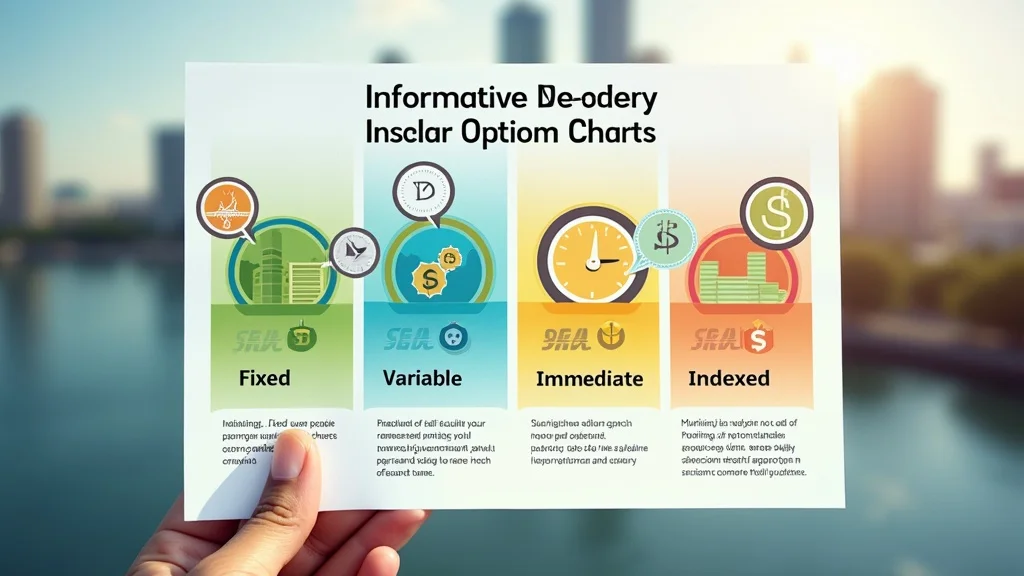
Types of Annuities: Know What’s Out There
- Fixed annuities
- Variable annuities
- Immediate annuities
- Indexed annuities
Not all annuities are built the same, and your peace of mind rides on understanding the difference. Fixed annuities are the “engineered for calm” option—your income is locked, predictable, and immune from market shocks. Variable annuities bring investment options—yes, more upside, but also more worry than many want late in life. Immediate annuities are the “turn my lump sum into paychecks now” tool—you give the insurance company your money and start getting checks right away. Indexed annuities try to split the difference: you get some upside tied to things like the S&P 500, but no risk of losing your principal due to market drops.
These aren’t just “products. ” They’re tools, each designed to fit a certain worry or wish for retirees in Tampa. The wrong kind, or the wrong structure, can leave you with regrets. The right one can put guardrails around your lifestyle and legacy. As I always tell my clients—
“You’re not buying a product. You’re securing an outcome for your retirement — and those are two very different things. Experience has taught me to always put the client’s outcome first.”
Contribution Limits and How They Shape Your Choices
The government sets boundaries on how much you can stash away, and that shapes how aggressive—or cautious—you can be about building up your retirement savings plan. Contribution limits don’t just affect how much you can save early on; they shape how you approach taxes, withdrawals, and what happens if you want to move money between different types of retirement accounts later on.
Understanding these limits—where they differ dramatically between 401(k)s and annuities—is the first step in building a plan that fits your timeline, not just IRS paperwork.
Understanding 401(k) Contribution Limits in Tampa
Each year, you can put in a set maximum amount to a 401(k). This limit is regularly updated, but the core idea never changes: max out your 401(k) first if you can, especially when your employer matches part of your contribution. Those matched dollars are “free money”—a rare true bargain in finance. Over time, this steady savings plan builds a tax-deferred treasure chest for retirement.
The specifics—how much you put in, what counts as a catch-up contribution if you’re over 50—shape your strategy. Most Tampa retirees I counsel have spent years loading up their 401(k)s because of these benefits. Just remember: Required minimum distributions come later, and every dollar withdrawn is added to your taxable income. Plan for the taxes as thoughtfully as you plan for the savings.
How Contribution Limits Work with Annuities
Annuities play by another set of rules entirely. Many annuities (especially non-qualified—funded by after-tax dollars) don’t have hard annual contribution limits. That means you can roll a big lump sum from an old 401(k) or savings account directly into an annuity, or contribute whatever you want, on your own timeline. The government’s hands-off approach comes with a trade-off: you pay taxes on earnings when you withdraw—and the “how” and “when” can shape the after-tax value of your retirement income.
For some, that freedom is a breath of fresh air, allowing precisely tailored strategies. For others, it’s a temptation to do too much, too quickly. That’s why your written retirement plan should always include a side-by-side look at what each tool allows and restricts.
| Account Type | Contribution Limit (2024) | Catch-Up (Age 50+) | Major Restrictions |
|---|---|---|---|
| 401(k) | Set annual limit; employer match may increase total (check latest IRS guidelines) | Additional annual amount if you’re 50+ | Penalties for early withdrawal; RMDs after age 73 |
| Annuity (Non-Qualified) | Typically no annual limit | N/A | Surrender charges for early withdrawal; tax rules differ for qualified vs. non-qualified |
Investment Options: What’s on the Menu for Each?
One of the biggest sources of confusion is the smorgasbord of investment options each account offers. Your true retirement outcomes hinge on how (and where) your money grows before you ever convert it to income. Let’s separate the menu from the marketing.
Whether you’re eyeing mutual funds, index funds, or insurance-backed guarantees, it’s not just about what’s available—it’s about what matches your risk tolerance and financial goals. In Tampa, weather isn’t the only thing you can’t predict; the same goes for financial markets.

401(k) Investment Options Explained
Inside a 401(k), your investments typically revolve around mutual funds, stocks, and bonds. Some plans do all the picking for you (those “target-date” funds), while others let you mix and match according to your tastes for risk and reward. Your employer chooses which funds are available—sometimes it’s a broad menu, sometimes a “chef’s choice” selection.
Having more investment options sounds appealing, but it can be overwhelming. The “right” investments can change with your age, retirement goals, and tolerance for swings in the market. In Tampa, I see many retirees who want fewer surprises and more certainty—especially after March, when “market roller coasters” aren’t as thrilling as they once were.
Annuity Investment Options: Plain and Simple
Annuities come in two flavors: some let you “set it and forget it” (fixed annuities), while others let you chase growth with variable or indexed options. With variable annuities, you can invest in mutual-fund-like accounts and participate in market gains (or losses). Indexed annuities tie your gains to the upward movement of things like the S&P 500—without risking your original principal. Many folks choose the annuity route for its baked-in safety nets. Simpler to manage, fewer decisions, more guarantees.
Think of the annuity investment world as a cruise with certain ports of call already mapped out—you go further by picking the route that feels right, not by managing every tack and turn in choppy seas. If you want to step away from tracking the market every morning, annuities offer the comfort of pre-agreed outputs: predictable, regular paychecks.
Retirement Goals: How to Match Money to Your Real Needs
If you dozed off during any of the technical parts above, here’s where you need to tune in again. Everything hinges on this: What kind of life do you truly want in retirement? Is it checking off travel destinations, helping grandkids through college, or just knowing that the A/C and the fridge will always be running, no matter what?
The perfect account is the one that supports your specific retirement goals—not just your account balance. For some in Tampa, the goal is a steady monthly paycheck; for others, maximum flexibility for dreams and surprises. Choosing between annuity vs 401(k) means sizing your plan to fit both math and meaning: what you actually spend, what you hope to do, and what will let you and your spouse sleep well.

Income in Retirement: Turning Savings into Paychecks When You’re No Longer Working
This is where all the theory hits the real world: Turning your accumulated savings—or a big chunk of it—into paychecks you can’t outlive. Annuities and 401(k)s take very different approaches here. One offers guarantees, the other offers flexibility—and both impact your taxable income and stress levels in retirement.
For most Tampa retirees I work with, the right answer isn’t “all or nothing. ” It’s building a stream of guaranteed income to cover the non-negotiables (mortgage, groceries, insurance), then using other accounts for dreams, fun, and family. Peace of mind isn’t about having the biggest account. It’s about knowing your lifestyle is covered—rain or shine.
| Feature | 401(k) | Annuity |
|---|---|---|
| Payout Flexibility | Withdraw as needed (subject to RMDs and penalties before age 59½) | Typically fixed periodic payments, can be for life or for a set period |
| Market Risk | Your account balance and withdrawals depend directly on market performance | Fixed or indexed: protected from market losses; Variable: subject to some market risk |
| Guaranteed Income | No guarantee—withdrawals may stop if balance runs out | Many offer guaranteed income for life (based on contract terms) |
| Taxation | Taxed as ordinary income on withdrawals | Taxed as ordinary income on earnings; principal may be exempt if funded with after-tax dollars |
Risk Tolerance and Peace of Mind: What Could Possibly Go Wrong?
- The roller coaster: Understanding market risk in 401(k)s
- The fine print: Guarantees and protections with annuities
- Personal risk tolerance—why it matters more than the commercials admit
Here’s where those soft marketing promises hit Tampa reality. If watching your balance ping-pong every time the market sneezes keeps you up at night, pay attention. The risk tolerance baked into your retirement accounts shouldn’t be a test of nerves; it should reflect what you—and your spouse—truly value. With 401(k)s, you’re exposed to market risk right up until—and through—retirement unless you shift heavily into safer assets. With annuities, certain types guarantee your income stream, rain or shine, thanks to the insurance company’s backing. Not all guarantees are equal—so read the fine print.
In Tampa, peace of mind sometimes matters more than extra zeroes. The right plan doesn’t just try to outperform some index—it lets you turn off the news, ignore the headlines, and trust your lifestyle to checks that come every month. It’s why I always say:
“No matter how much Wall Street promises, retirement peace doesn’t come from luck or timing — it comes from clear, guaranteed income covering your real expenses. The rest is gravy.”

Common Misunderstandings: Busting the Myths About Annuity vs 401(k) in Tampa
- Do you lose your principal in an annuity?
- Will a 401(k) always outperform?
- What about fees, penalties, and taxes?
Let’s call out the top myths. No, you don’t always lose your principal in an annuity—if you pick the right kind (not all variable annuities are created equal!). No, a 401(k) will not always outperform; the answer depends on the market and your withdrawals. And yes, fees, penalties, and taxes can bite—whether you’re in an annuity or a 401(k). The solution isn’t to run from both; it’s to see the whole truth in black and white before you act. Get tax advice, run the real numbers, and choose to protect your retirement income, not just your account balance.
Knowledge beats marketing, every time. The best plan for Tampa retirees keeps you safe from myths—and empowers you to choose from a place of confidence, not confusion.
How to Decide: Questions to Ask Before Choosing Annuity vs 401(k) in Tampa
- How much predictable income do I need — and for how long?
- How much risk am I truly comfortable living with?
- Am I trying to leave a legacy, or spend every dime?
- What does my spouse need if something happens to me?
These aren’t questions a sales pitch will answer. They’re the starting points for any real retirement plan—yours needs to work whether you face blue skies or summer storms. If you can answer these, honestly and clearly, you’re miles ahead of most folks wrestling with the annuity vs 401(k) debate. If you’re unsure, now’s the time to sketch out your answers. You don’t need to do it alone. As I often say:
“If you can answer those four questions honestly, you’re already ahead of 90% of people approaching retirement.”

Real-Life Scenarios: Annuity vs 401(k) in Action for Tampa Retirees
Let me tell you, the theories sound neat—until a hurricane comes through or your spouse has a health scare. That’s when the structure of your retirement plan is put to the test. Some Tampa families use a 401(k) for travel dreams while securing annuity income for monthly bills. Others build a “legacy bucket” so the kids get something substantial, not just paperwork. Every option carries trade-offs: control versus certainty, growth versus guarantees.
I’ve seen retirees sit calmly through stock market tumbles, knowing their annuity income will be in the mailbox on Monday. I’ve also helped others transition from a too-risky 401(k) into a hybrid approach that covers every base. What matters is that your plan matches your story—not some generic sales speech.

People Also Ask: Your Annuity vs 401(k) in Tampa Questions Answered
Is it better to have a 401k or an annuity?
The truth? One isn’t always “better. ” Many Tampa retirees use both, stacking a 401(k)’s flexibility with an annuity’s security. 401(k)s give you investment options and growth over time, but with market risk; annuities provide predictable, usually guaranteed, income—you can’t outlive the checks. The right mix depends on your retirement goals, risk tolerance, and need for reliable income. For most, a written plan that shows how each piece fits together is the gold standard—not either/or thinking.
How much will a $100,000 annuity pay monthly?
That depends on your age, the contract details, and whether you want income just for yourself or for you and a spouse. Fixed annuities pay a set amount—think of it like a pension—but guarantees depend on the issuing insurance company. The older you are when you start income, the higher your monthly payout. To see your exact numbers (no guessing), compare actual annuity options, run the math based on your real situation, and never accept ballpark estimates as final answers.

What does Warren Buffett say about annuities?
Warren Buffett has talked about the value of steady, reliable income—and annuities offer that for retirees. He believes guarantees have worth, especially if you worry about running out of money, but he’s also clear that annuities aren’t one-size-fits-all. The key is how well the annuity’s guarantees fit your personal retirement plan—Buffett doesn’t write off annuities, but he wants each buyer to understand exactly what they’re getting.
What does Dave Ramsey say about annuities for retirement?
Dave Ramsey is famously critical of many annuities, especially ones with high fees or confusing terms. He prefers people use 401(k)s and IRAs due to their potential for growth. But for some retirees—especially those who value predictable, guaranteed income—certain annuities can make sense as part of a bigger retirement plan. The bottom line: It’s not “never annuities,” but “know exactly what you’re buying, and why. ”
Frequently Asked Questions About Annuity vs 401(k) in Tampa
- Can I roll my 401(k) into an annuity without a penalty?
- What happens to my annuity or 401(k) if I move out of Florida?
- Which option is safer from market downturns?
- How do taxes affect my retirement income in Tampa?
It’s common to feel overwhelmed by questions like these. The good news: With intentional retirement planning, most answers become clear—and you can structure your accounts for flexibility, tax efficiency, and peace of mind wherever you move.
Key Takeaways for Tampa Retirees: Annuity vs 401(k) in Tampa
- You don’t have to choose just one: Many build plans with both tools.
- There’s no substitute for written, plain-English planning based on your real numbers.
- The best choice protects your income, your spouse, and your sleep at night — not just your account balance.
Ready to See How It Works for Your Situation?
Now that you know the real differences—and the real-world questions—there’s no reason to guess alone. If you want to see your income, options, and security in black and white (no pitches, just a personal conversation), get the plan nobody taught you. There’s never a cost to sit down with me.
Watch as I break down the basics of annuity versus 401(k) with easy visuals, real-world Tampa stories, and the plain-English insights you’ll wish someone had shared decades ago. Kitchen-table clarity, guaranteed.
Learn how to match your investments to your peace of mind, not just a spreadsheet. Discover how to make your retirement plan hurricane-proof—emotionally and financially.
Conclusion: You deserve a retirement plan that lets you sleep soundly and enjoy Tampa’s sunshine. Build it with intention—and a guide who puts your peace of mind first.