
Picture this: You’ve saved for decades, raised a family, and were just starting to feel comfortable about retirement — until a letter from Social Security or a wave of headlines made you realize you don’t really know what would happen to your spouse, or to your own monthly income, if you’re the one left behind. If you’re confused by survivor benefits in Tampa, you’re far from alone. In 37 years, I can count on one hand the number of families who had this part truly figured out before we met. Let’s shine a steady light through this fog together so you can rest at night, knowing those you love will be taken care of — no jargon, no pressure, just the truth you need.
What You’ll Learn About Survivor Benefits in Tampa
-
Plain-English explanations of survivor benefits in Tampa
-
How survivor and Social Security benefits fit into your retirement plan
-
Steps for protecting your spouse and loved ones
-
The myths—and truths—I wish my clients had heard sooner

Facing Uncertainty: Navigating Survivor Benefits in Tampa Together
It’s completely natural to feel uneasy when you hear terms like “survivor benefits,” “Social Security disability,” or “lump-sum death benefit. ” Most of my clients in Tampa have spent ten years or more building their nest egg, but still feel lost when it comes time to turn those savings into reliable monthly payments for themselves or—if the unthinkable happens—their spouse. The rules around survivor benefits are rarely spelled out in plain English, and it’s easy to wonder who to trust. If you’ve ever tried calling the customer support number at the Social Security Administration, read contradictory articles on gov websites, or bounced between disability lawyers and financial advisors just looking for a straight answer, you know exactly what I’m talking about.
What I want you to know most is that you’re not supposed to be an expert at this. That’s my job. My promise, as your local Tampa retirement planning specialist, is to guide you step by step. Yes, there are forms and qualifications, but more importantly, there are meaningful ways to protect those you love for the long term. If your spouse dies before you, survivor benefits are often the last safety net standing between peace of mind and financial worry. Let’s clear up what really matters, together.
“You shouldn’t have to be a Social Security expert to protect your family. I’ll help you see the path and avoid the pitfalls.” — Ken Keplinger
Understanding Survivor Benefits in Tampa and Florida
What Are Survivor Benefits in Tampa? (And Why They Matter)
At their core, survivor benefits in Tampa are monthly Social Security payments available to certain family members after someone dies — typically a spouse, sometimes a dependent child, or, in special cases, even a parent. These are not the same as disability benefits or retirement benefits, though all three are managed by the Social Security Administration (the government agency responsible for these programs across the United States). The main reason these benefits matter? They’re designed to keep the surviving spouse or family member from facing a drop in income just when life is most unstable.
Unlike retirement benefits (which stop when the retiree dies) or disability benefits (which only cover the person who is disabled), survivor benefits can continue for a surviving spouse, sometimes for the rest of their life. The exact rules get tricky — and myths abound about who may be entitled and how much they’ll receive. I’ve seen too many families in Tampa lose out just because they didn’t know their options. It’s not just about collecting Social Security; it’s about giving your family a financial cushion in the hardest moments.
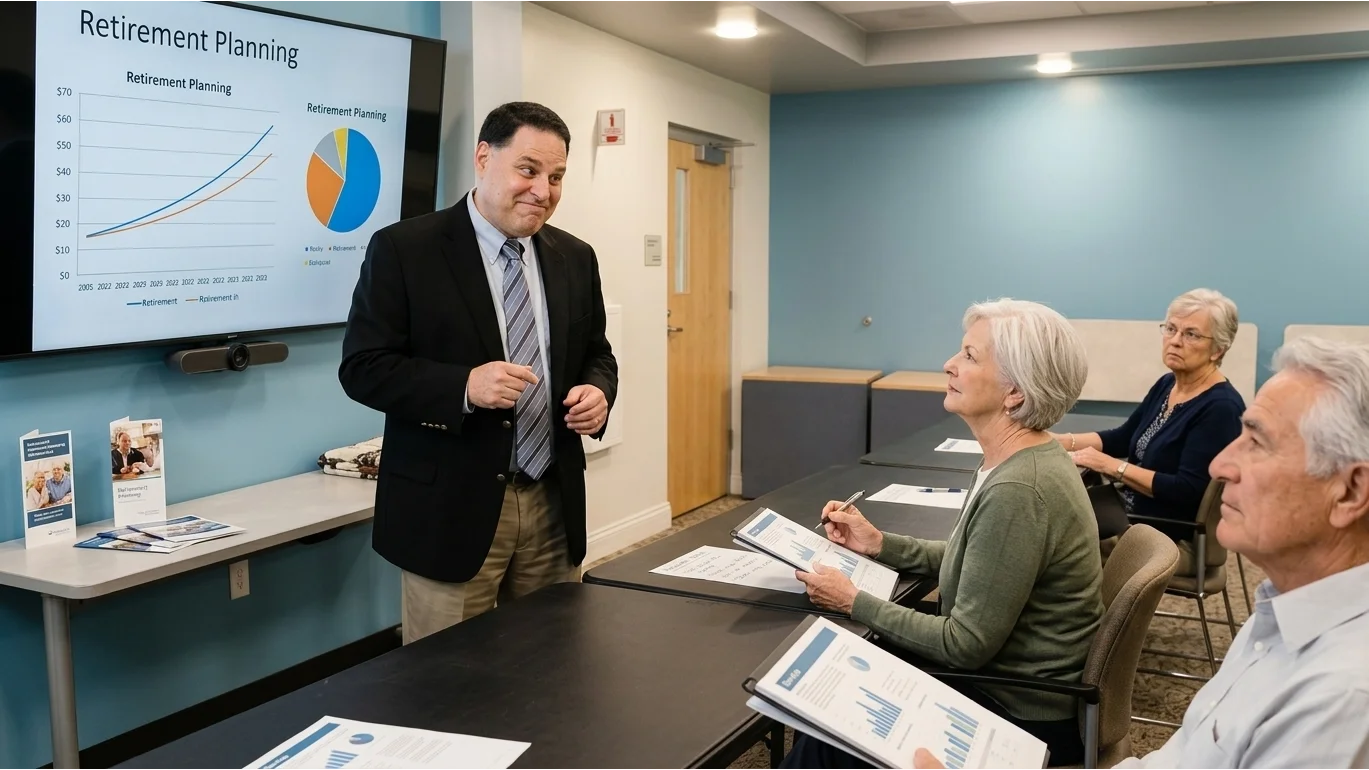
Key Differences: Survivor Benefits vs. Social Security Disability Benefit
The confusion between survivor benefits and Social Security disability benefits is understandable — both involve monthly payments from the Social Security Administration, both require a number of credits earned through work, and both are rooted in decades-old disability law. However, there’s a big line between them. Disability benefits are paid to people who can’t work anymore due to a health condition. Survivor benefits, in contrast, kick in after the worker has passed away and help their surviving spouse or family. You might even encounter disability attorneys who handle both types of claims because they’re closely related in the Social Security system, but the eligibility and payment rules are not the same.
For example, if your spouse died while collecting social security disability, what you receive as the surviving spouse is typically based on what they were getting. But if your spouse dies before drawing any Social Security at all, the calculation changes based on their years of work (“credits”) and your age. Knowing which benefit applies—and when to apply—makes all the difference. That’s why understanding this is one of the first things I walk families through, before any paperwork is filed.
Who Qualifies for Survivor Benefits in Tampa? Main Rules to Remember
The main eligibility for survivor benefits in Tampa (and anywhere in the United States) depends on a few key things: your relationship, your spouse’s work history, their age (and your age), and whether you remarry. Generally, you need to be a surviving spouse—either legally married or divorced after at least ten years—and your spouse needs to have worked long enough to earn the right number of credits under Social Security. Children, and sometimes dependent parents, may also qualify. It’s important to note that if you remarry before age 60 (50 if you’re disabled), you may lose eligibility for survivor benefits. Each case is unique, so reading the official website can help, but talking directly with someone who knows both the rules and the lived reality is invaluable.
Rules about number of credits, years of work, and special exceptions for public employees or certain pensions are rarely explained clearly on customer support numbers or government sites — so don’t feel bad if you haven’t quite found an answer yet. My job is to make sure there are no surprises for your family. If you think you may be entitled but aren’t sure, that’s the perfect time to reach out and ask, with no obligation.
Common Myths About Survivor Benefits and Social Security
There are plenty of myths floating around about survivor benefits in Tampa: that widows and widowers always get 100% of their spouse’s benefit, that everyone gets a large “death benefit” lump sum, or that benefits always stop if you remarry. Let’s set the record straight. Not every surviving spouse is automatically entitled to the full benefit—the percentage depends on your age at claiming and your spouse’s claiming history. The so-called $2500 death benefit is, in reality, a one-time payment of $255, and it’s not paid automatically or to everyone. If you have retirement benefits of your own, that can impact what you receive as a survivor.
Other myths? That survivor benefits are taxable in Florida (they’re not, but they might impact your total tax situation), or that you need to hire a disability benefits lawyer or security disability attorney to file a claim (help can be crucial, but many families do just fine with expert guidance on the process). I believe in correcting these misunderstandings before they cost your family real money—or real peace of mind.
How Survivor Benefits in Tampa Work for Widows, Widowers, and Families
Does a Widow or Widower Get 100% of a Spouse’s Social Security in Tampa?
This is the #1 question I get from widows and widowers here in Tampa: “Will I keep my spouse’s full Social Security?” The short answer is, you can receive up to 100% of your spouse’s benefit if you claim at your own full retirement age (FRA)—but there are catches. If you claim earlier, your benefit is reduced. If you remarry before age 60 (or age 50 if disabled), you may lose eligibility for this benefit. The formula Social Security uses to figure your actual monthly payment can be complex and confusing, especially when disability and retirement benefits overlap, or if your spouse died while collecting social security already.
What really matters is knowing the right claiming strategy for your family—not just what “sounds fair. ” Many surviving spouses settle for less than they deserve because they didn’t talk to someone who knows how the system really works. I help clients compare all the numbers in black and white so you know your real options, not just the ones you hear at the office or see on random websites.

Are There Special Survivor Benefits for Florida Public Employees?
If you or your spouse worked for the public school system, city government, or certain public agencies in Florida, survivor benefits may look a little different for you. Public sector workers often have access to additional pension-related survivor payments, above and beyond Social Security. In my experience, the rules here are even more convoluted—particularly for teachers, police officers, and firefighters. Sometimes, a surviving spouse has to coordinate pension payments, insurance policies, and standard Social Security benefits, each with its own rules and customer support numbers. This is exactly the kind of situation where a written plan can bring real peace of mind: I help you organize every piece so nothing slips through the cracks.
Some of my longtime Tampa clients are former public employees who had “hidden” survivor benefits they didn’t realize were available through their pension or insurance plans. Don’t leave money on the table. The best first step is to look closely at all retirement and insurance paperwork together—often, the smallest detail can make the biggest difference in what you and your family actually receive if the worst happens.
-
Social security considerations for spouses
-
Rules if you remarry
-
How survivor benefit amounts are calculated
Integrating Survivor Benefits Into Your Tampa Retirement Plan
Building Steady Income: Survivor and Social Security Benefits Combined
Survivor benefits are just part of the puzzle when you’re planning retirement income that lasts—as is Social Security. In Tampa, most families I meet want to know, “If something happens to me, will my spouse still have enough every month—without running out or having to make drastic changes?” By combining survivor benefits with your own Social Security and any pensions or retirement savings, you can create a monthly payment plan that replaces your paycheck for both your life and your spouse’s. It’s what I call “knowing what your savings actually pay you”—in black and white.
It’s important to remember: If both you and your spouse earned Social Security, only the larger benefit will be paid upon death—not both combined, in most cases. Some exceptions exist for special situations, particularly where disability law overlaps with survivor rights. We’ll walk through your total income picture together, making sure you cover the bills now and protect your surviving spouse from big, unpleasant surprises down the road. Solid planning now means fewer tough decisions for your family later—and more steady, confident living in retirement.

The Real-Life Impact: Stories From 37 Years Helping Families in Tampa
The numbers are important, but the real stories are what stay with me. Over nearly four decades, I’ve had the privilege to help families just like yours breathe easier—sometimes in the hardest moments of loss. I’ve sat across kitchen tables with widows and widowers who simply wanted to know: “Will I be okay? Will the house be okay?” I remember one Tampa client, after a sudden loss, seeing her benefit options clearly laid out for the first time—her relief was visible, her plan real instead of guesswork.
Another family, unsure about which documents to gather and whether to call Social Security or the pension office first, found calm and clarity just by having a roadmap—step by step, nothing left to chance. The law and the paperwork matter, but what matters most is setting your mind at ease, knowing you’ve done what’s right for those you love. That’s my role—the lighthouse—lighting the way so you, not the storm, are in control.
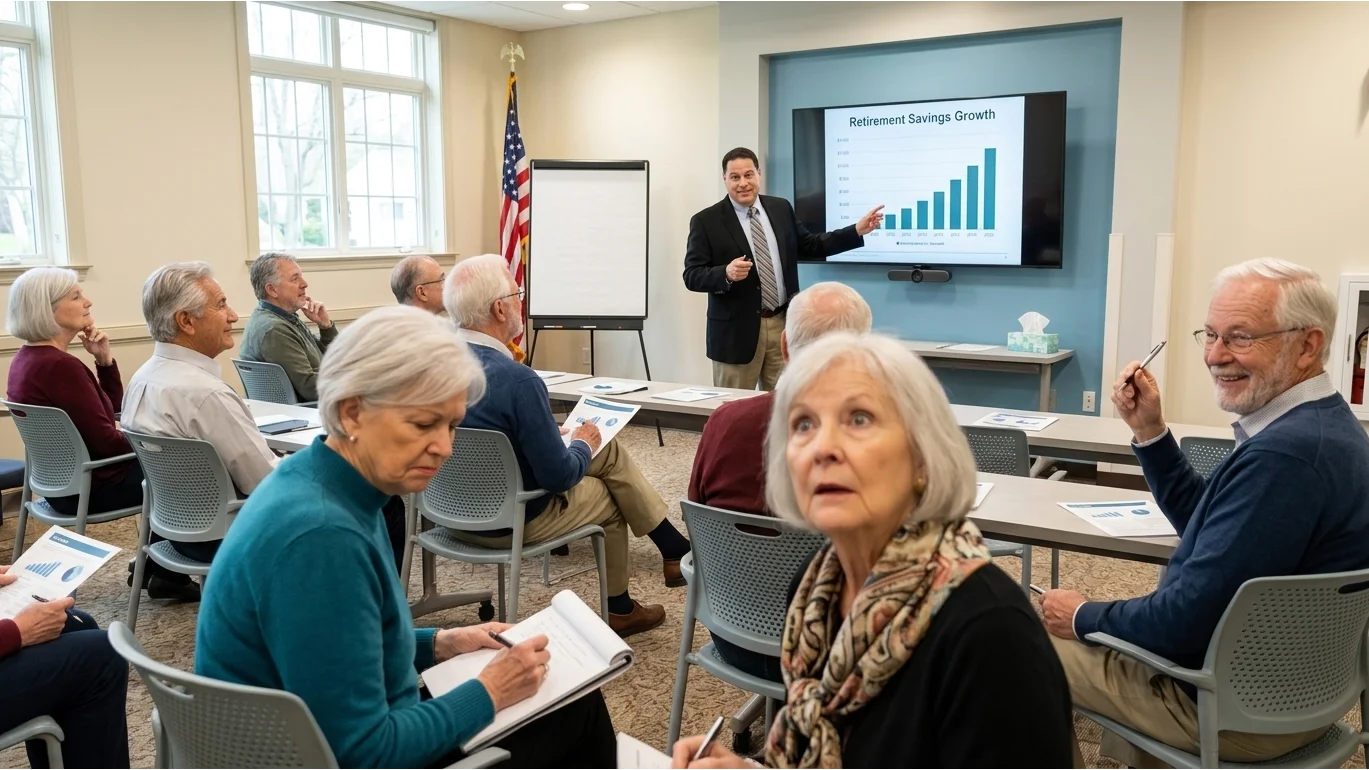
Why Protecting Income Is More Than Picking the Right Benefit
Your survivor benefits are important, but they’re not the only pillar holding up your income in retirement. Too many people focus on finding the “perfect” Social Security claiming strategy—while missing the bigger truth: protecting your monthly payments means coordinating every stream you have, from pensions to savings to insurance. I often remind clients, you’re not just numbers in a system, and your bills don’t stop just because the paperwork is filed. Real security comes from seeing the full picture—all your sources of income guaranteed and stress about the bills gone for good, no matter what life brings.
If you only remember one thing, make it this: It’s never just a numbers game. You deserve answers that make sense, options that feel right for your family, and a plan you can see and touch. No one should have to lie awake worrying if they’ll fall through the cracks—a steady, thoughtful path is always possible, and you don’t have to walk it alone.
“People aren’t numbers. Your stress about the bills is real, and you deserve clear answers.” — Ken Keplinger
Table: Survivors Benefits in Tampa vs. Social Security Disability (At a Glance)
|
Feature |
Survivor Benefits (Tampa) |
Social Security Disability Benefit |
|---|---|---|
|
Who Can Claim? |
Surviving spouse, children, sometimes parents |
Injured worker unable to work—must qualify medically |
|
Payment Amount |
Up to 100% of deceased’s benefit at full retirement age |
Based on work record, typically less than retirement benefit |
|
How Long Do Payments Last? |
Usually for life (widows/widowers); varies for others |
As long as disability continues or until FRA, then converts |
|
Special Florida Rules |
Extra benefits possible for public employees, certain pensions |
No special rules; federal program applies |
|
Taxability in Florida |
Not taxed by state; may affect federal tax if total income high |
Same as above |
Frequently Asked Questions About Survivor Benefits in Tampa
What are the survivor benefits available in Florida?
Florida residents may be entitled to several forms of survivor benefits. Monthly survivor payouts are available through Social Security if your spouse paid into the system, providing a continuing stream of income for a widow, widower, or sometimes children or parents. There’s also a one-time death benefit (currently $255), and certain state or local government employees may have insurance or pension survivor benefits layered on top. To be sure you’re capturing every benefit your family qualifies for, review all official websites, consult your pension documentation, and don’t hesitate to contact us for a plain-English checklist tailored to your unique situation.
How much are survivor benefits for 2026?
Survivor benefit amounts adjust regularly with cost-of-living increases, just like Social Security retirement benefits. The final monthly payment you or your surviving spouse receive in 2026 will depend mainly on your spouse’s work record (how many credits they earned), the age you claim, and any cost-of-living adjustments issued by the Social Security Administration. The best way to see your actual numbers is to request an updated estimate or walk through the details with an advisor—no guesswork required.
Does a widow get 100% of her husband’s Social Security?
If you wait until your full retirement age to claim, as a widow (or widower), you may be entitled to up to 100% of your spouse’s Social Security benefit. Claiming earlier will mean a reduced monthly payment, and circumstances such as remarriage, disability status, or overlapping benefits may also have an impact. Understanding the timing is absolutely key, and getting it right can be worth thousands over your retirement. Let’s make those numbers crystal clear, so you can claim what you deserve.
Does everyone get the $2500 death benefit?
This is a common misunderstanding. The Social Security Administration’s current lump-sum death benefit is $255, not $2500, and it’s paid only to certain surviving spouses or children who were living with the deceased at the time. Don’t count on a large check—plan your bigger safety net through survivor benefits and other income sources. Let’s look at the details together so you know what to expect.
Answer: What are the survivor benefits available in Florida?
-
Monthly survivor payouts if your spouse paid into Social Security
-
One-time lump-sum death benefit
-
Insurance or pension survivor benefits (for some public employees)
Answer: How much are survivor benefits for 2026?
-
Survivor Social Security benefit amounts adjust with cost-of-living increases
-
Exact amounts depend on your spouse’s work record and age at claiming
Answer: Does a widow get 100% of her husband’s Social Security?
-
Widows/widowers can receive up to 100% of their spouse’s Social Security if claiming at full retirement age
-
Claiming earlier or remarrying may reduce your monthly benefit
Answer: Does everyone get the $2500 death benefit?
-
The Social Security lump-sum death benefit is currently $255, not $2500, and only eligible for certain survivors
Key Takeaways for Survivor Benefits in Tampa
-
Survivor benefits in Tampa can be confusing, but the right plan means your family is protected
-
It’s about more than filling forms—integrate benefits into your larger retirement income plan
-
There’s never a cost to have a real conversation with me and get your questions answered
If You’re Ready to Know What Your Savings Actually Pay You
-
I invite you to see what your income could look like in black and white