
Imagine this: The house is suddenly too quiet, the paperwork too tall, and everywhere you turn, there’s another question you never thought you’d have to ask. People expect grief to be the hard part — but it’s the financial maze right after loss that truly blindsides most families. As someone who has guided Florida widows through this very moment, I want you to know: you’re not alone, and this next step can be made clear. Today, I’ll walk you through exactly how to unlock widow Social Security benefits in Florida so you can steady your household income — and take control at your own pace.
Navigating Widow Social Security Benefits in Florida: Finding Light in Difficult Times
Sorting out widow Social Security benefits in Florida often feels like untangling a knot in the dark. The Social Security system has rules, exceptions, acronyms — and Florida itself has special twists compared to the rest of the United States. I’ve seen the confusion up close for 37 years: people sitting across from me, sometimes with accounts full of savings, asking why nobody ever taught them how survivor benefits actually work when it counts most. The good news is that the process isn’t as unpredictable as it seems once you know the path. My goal here is to lay that path out step by step — no jargon, no scare tactics, just the information you need to keep the lights on and protect what you’ve built together.
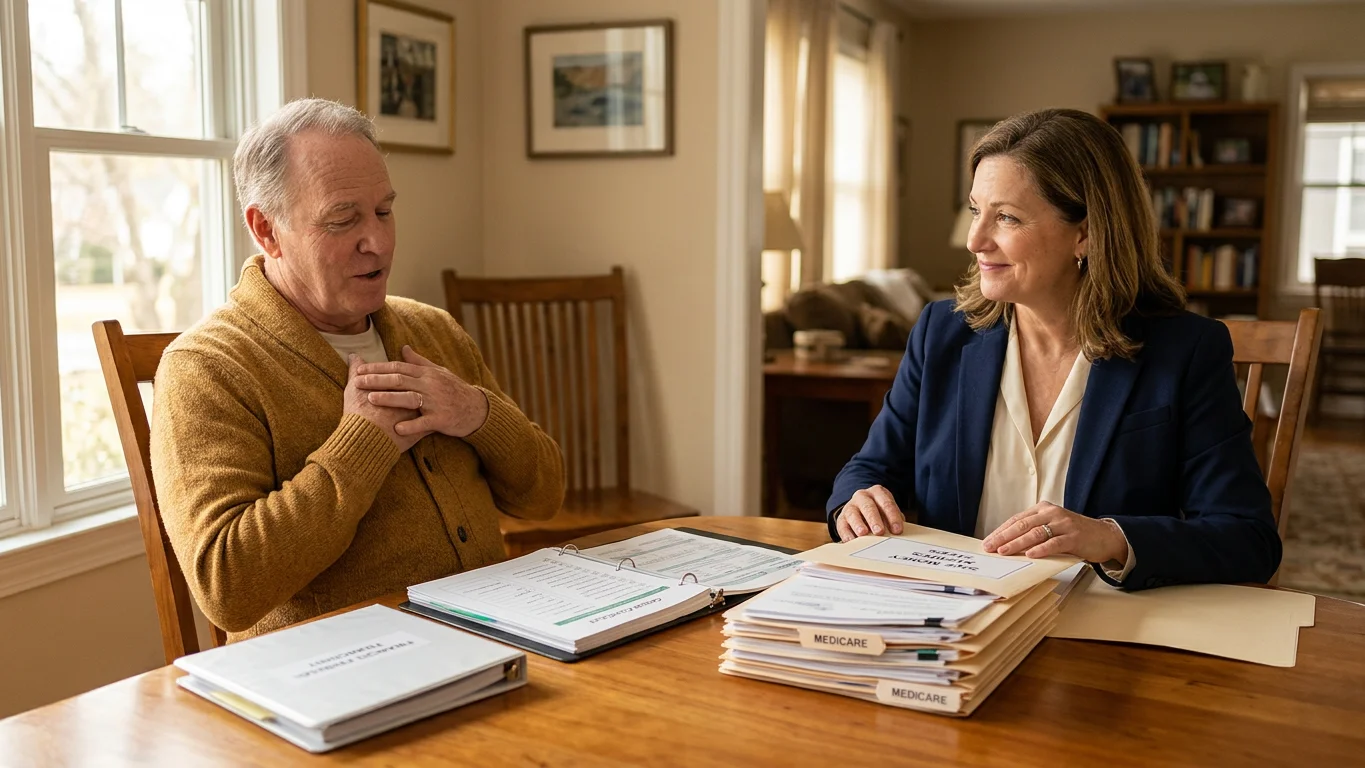
When loss blindsides you, most folks think the hard part is emotional — but figuring out Social Security survivor benefits is a maze all its own. Let’s untangle this, together.
What You’ll Learn About Widow Social Security Benefits in Florida
-
Who qualifies for widow Social Security benefits in Florida and the key criteria involved
-
How survivor benefits work, including what ‘security survivor’ really means
-
The practical steps to claim widow Social Security benefits after a loss
-
Common misconceptions about Social Security survivor benefits in Florida
-
How to build reliable monthly income around your Social Security check
Understanding Survivor Benefits: What Are Widow Social Security Benefits in Florida?

Defining Survivor Benefits and How They Support Florida Widows
Let’s break it down plainly: Social Security survivor benefits are payments you may be eligible to receive if your spouse or former spouse passes away and they paid into Social Security. People often call these widow benefits, but technically, the program covers surviving spouses, minor children, and sometimes parents. But for widows in Florida, these benefits are the financial lifeline that can keep you safely connected to a regular income, even after life’s biggest changes. The Social Security Administration (the official government organization behind the program) calculates your benefit amount based on your late spouse’s earnings record — not yours alone — so it’s a recognition of what you built together.
Think of survivor benefits like a bridge: They steady you between the life you’ve known and the new routine you’re still adjusting to. Many official websites and gov websites use the term “security survivor” or “social security survivor” to refer to these programs. Your eligibility and payment amount can vary, but the system exists so widows in Florida don’t have to shoulder everything alone. There’s no penalty for asking questions or trying to coordinate survivor benefits with other income — and yes, it’s possible to structure things so the money lasts as long as you need it. That peace of mind is more than just a check: it’s knowing the bills will always get paid.
Who Qualifies for Social Security Survivor Benefits in Florida?
If you lost a spouse, you might be surprised who counts and who doesn’t under the Social Security rulebook. Generally, you may be eligible if you were (1) lawfully married for at least nine months (though exceptions exist for accidental deaths or military service), (2) over age 60 (or as early as 50 if you’re disabled), or (3) caring for your late spouse’s child under age 16 or disabled. If you’ve divorced but never remarried before age 60, you may still qualify for survivor benefits based on your ex-spouse’s record. These details are always checked through the official website or a local Social Security office — and I always recommend confirming your status with the Social Security Administration to avoid surprises.
Many people don’t realize that remarriage at age 60 or later won’t cancel out your eligibility for survivor benefits. And if you have your own retirement benefit through Social Security, there are strategies to select the option that pays you more — or even switch benefits over time. Navigating these rules can sometimes feel like threading a needle in the dark, but with the right documentation and trusted guidance, you’ll find options you never knew you had.
How Widow Social Security Benefits in Florida Work: The Application Journey
-
Confirm your eligibility for security survivor benefits. Use the official government website or call your local Social Security office. You’ll need personal details and dates — these secure websites use https to keep information private.
-
Gather the key documents you’ll need. This means marriage and birth certificates, Social Security numbers, and proof of death. Having these ready smooths the process. Don’t share sensitive information on unofficial websites — information only on official government websites is safely connected to the Social Security benefit process.
-
Start the claims process through the Social Security Administration. You can do this online, by phone, or in person at a local office. Gov websites use step-by-step guides, but if you want a real person by your side, I’m always happy to sit and help point-by-point.
-
Understand possible benefit reductions or enhancements based on age and other variables. If you claim before full retirement age (usually 66-67 for most), the amount may be reduced — but there are sometimes good reasons to do so. Every penny counts, so review all your income sources before making the call.
-
Coordinate with other retirement plans or sources of income. This is where a written income plan shines, helping build a predictable monthly check around your Social Security survivor benefit, pension, 401(k), or other assets.
Survivor Benefits Table: Comparing Widow Social Security Benefits in Florida
|
Criteria |
Eligibility for Florida Widows |
Typical Survivor Benefit Features |
|---|---|---|
|
Who Can Apply |
Married, divorced or remarried widows (special rules) |
Must have been married at least 9 months (exceptions apply for accidents or military service) |
|
Claim Options |
Age 60+ (or age 50+ if disabled); any age if caring for minor/disabled child |
May claim own benefit later if larger |
|
Benefit Amount |
Percentage of deceased spouse’s benefit |
Ranges from 71.5% to 100% depending on circumstances |
|
When to Apply |
After spouse’s passing |
Waiting period may apply; retroactive benefits possible |
People Also Ask About Widow Social Security Benefits in Florida
When a spouse dies, how much of their Social Security does the surviving spouse get?
Answer:
The amount you receive as a surviving spouse depends on your age, the age your spouse started Social Security, and whether you’re caring for children. Typically, the benefit is between 71. 5% and 100% of your spouse’s basic benefit. If you claim before full retirement age, the benefit may be reduced, whereas waiting until your full retirement age gives you the maximum survivor benefit. Social Security survivor benefits are calculated using complex rules, so it’s wise to review your unique circumstances through the official website or with someone you trust before making decisions.
What is the new Social Security rule for widows?
Answer:
One of the more recent changes allows surviving spouses who remarry after age 60 (or 50 if disabled) to still keep their eligibility for Social Security survivor benefits. The government organization in the United States has made this adjustment to ensure widows don’t lose out on essential monthly income just by finding companionship. It’s always worth checking official websites use for updated details, as the rules can shift with new legislation or Social Security policy updates.
What is a widow entitled to in Florida?
Answer:
As a widow in Florida, you may be eligible for a monthly benefit based on your late spouse’s work record, and possibly access to other programs for survivors or retirees. These Social Security survivor benefits are distinct from other retirement sources like pensions, 401(k)s, or individual retirement accounts. You could also access retroactive payments for up to six months if you qualify and apply soon enough after a spouse’s passing. Each situation is unique, so I always recommend verifying with the official Social Security Administration or a locally trusted advisor before making claims.
What is the average Social Security check for a widow?
Answer:
Social Security doesn’t publish a “standard” check for widows, since every benefit is different based on the deceased spouse’s earnings history, claiming age, and individual circumstances. In general, survivor benefits range from about 71. 5% up to 100% of what your spouse would have collected at full retirement age. The Social Security benefit is designed to cover essential expenses and provide financial continuity, but it’s best to check your expected amount using trusted gov websites or direct help.

My Guidance: How I Help Florida Widows Chart a Secure Path
“You don’t have to make these decisions alone. After 37 years guiding families to steady ground, I promise you: there’s always a way to make the bills predictable, even if the path seems foggy at first.”
I sit across from real people every week — many who find my office after months of paperwork, lost sleep, and a gnawing worry that one wrong move will cost them a lifetime of security. Here’s my north star: nothing you ask is “stupid,” the government organization won’t hold your hand through every detail, and it is possible to piece together a monthly check that truly covers the basics for life. My job is to act as your lighthouse: I’ll show you every guaranteed route, teach you how to read the signals, and help you write down a plan you can trust — all before you commit to a thing. No pressure, no confusion, just steady guidance until you feel ready to steer.
FAQs That Matter on Widow Social Security Benefits in Florida
-
Can you claim widow Social Security benefits and your own retirement benefit at the same time?
No, you can claim one benefit at a time, but you might have the option to switch between benefits at a future date if your own retirement benefit later exceeds your survivor check. Having a written income strategy makes this decision clearer. -
Do remarried widows qualify for survivor benefits in Florida?
If you remarry at or after age 60 (or 50 if disabled), you may still be eligible for Social Security survivor benefits based on your late spouse’s record. Remarrying earlier may change this, so confirm the details on the official Social Security Administration site or ask a trusted advisor. -
How long does it take to start receiving Social Security survivor benefits after applying?
On average, benefits begin one to two months after your claim is approved, but this timeline can vary based on how quickly the Social Security Administration receives your documentation and processes your claim. -
What happens to your benefits if you move out of state?
Social Security survivor benefits are available in all fifty states and many U.S. territories. If you relocate, your benefit usually continues without interruption, but update your address and banking info with the official Social Security Administration to avoid any delays in payment.
Key Takeaways on Widow Social Security Benefits in Florida
-
Widows in Florida are not alone — survivor benefits exist to help carry the financial burden
-
Understanding your most valuable options means making decisions at your own pace
-
A clear, written plan brings relief — and ensures you don’t leave money on the table

Ready to Cover Your Bills for Life? Let’s Talk About Your Widow Social Security Benefits in Florida
If you want to know, for sure, that your bills are covered — now and no matter what — there’s never a cost to sit down with me and map it out together.
Let’s find out if your bills are covered for life :https://safemoneysteps.com/
Final word: Don’t let confusion keep you from steady income after a loss. The lighthouse is always there to guide you — and your next chapter can start with clarity and confidence, one step at a time.