What surprised me most about retirement—both for myself and in thirty-plus years guiding others—wasn’t the paperwork or even the big “now what?” moment. It’s how ordinary folks in Florida feel when the paychecks stop and the savings finally have to start working for you, not the other way around. That mix of relief and nerves is as real as the Florida humidity. And if you’re 55 or older, staring down decisions nobody trained you for, let’s pour a fresh cup of coffee and have a human conversation about it.
Let’s Start with What It Really Feels Like to Face Retirement Income Strategies for 55+ in Florida
If you’re anything like me—someone who’s worked a lifetime, saved steadily in IRAs, 401(k)s, pensions, or maybe a little of each—this next chapter is unfamiliar ground. The game changes right around age 55. Up until now, it was all about growing the pot. Suddenly, the question is: “How in the world do I make this pile last, cover my bills, and—maybe—still take that Naples sunset cruise?” Most of the retirees I work with aren’t looking to double their money. They want to feel secure, not savvy. And they want to make one of the best decisions of their lives: learning how to turn savings into actual income, cushion for family, and sleep-friendly peace of mind.
It’s common to feel uneasy. Nobody hands you a playbook the day you turn 55. You’re expected to navigate real estate choices, analyze MLS and public data (which, by the way, means looking up listings or public record home info), negotiate with Social Security, and protect your spouse. It’s normal to want a guide—someone to light the way but not take the wheel. I work only for you, never for an insurance company. And in Florida, where your neighbors are making the same decisions, you’re not alone.
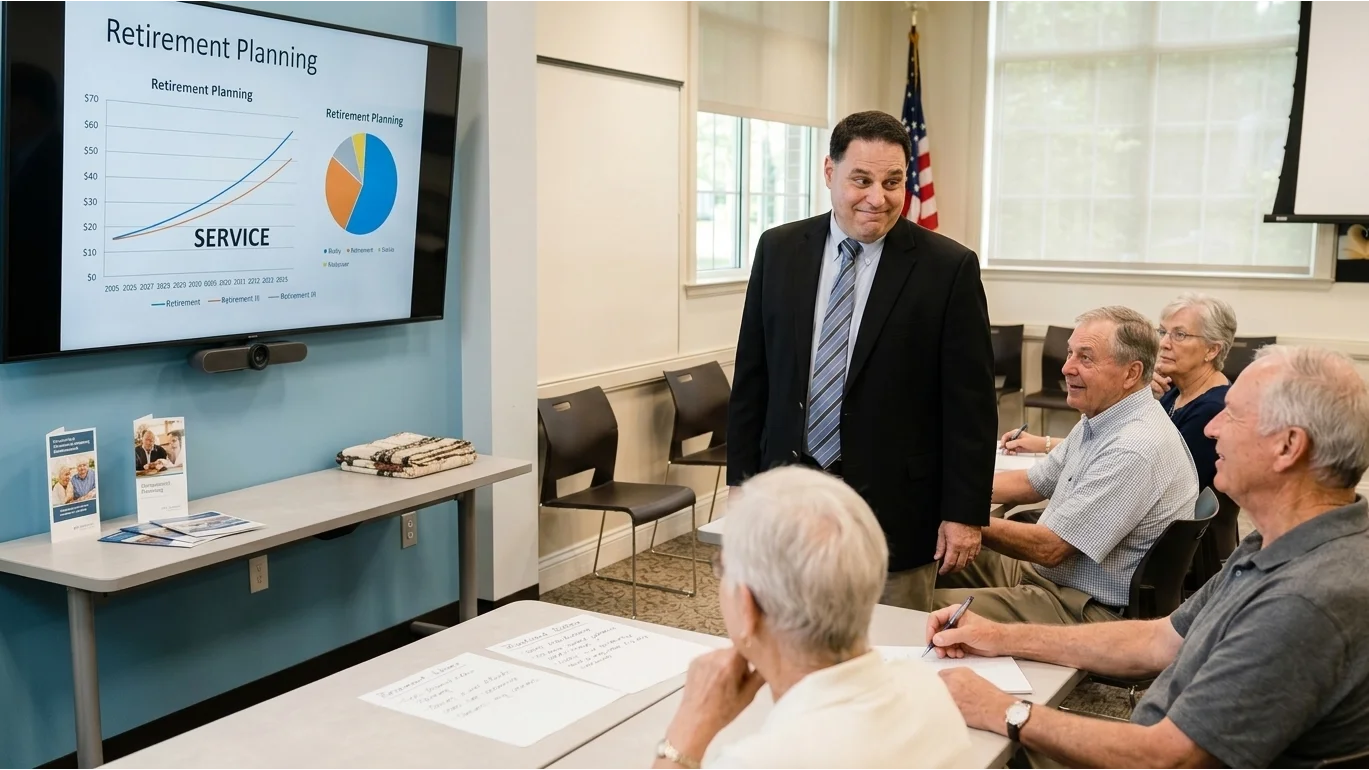
“After decades of saving, most folks tell me the scariest part is no longer watching the balance grow — it’s figuring out how to draw a paycheck from it, without running out or making a mistake you can’t undo.”
What You’ll Learn About Retirement Income Strategies for 55+ in Florida
-
How to turn savings into steady monthly income (in plain English)
-
How to protect what you have — and sleep better at night
-
Red flags to watch for in Florida’s retirement landscape
-
What makes a genuinely good 55+ income plan (and how to spot the sales pitch)
-
Questions you should ask every advisor (including me)
Understanding the Active Adult Financial Transition in Florida
When Growth Gives Way to Preservation: The Real Shift at Age 55+
There’s a big difference between putting money away and living off what you’ve built. Once you hit your late 50s, your mindset—and your game plan—need to change. This isn’t just about chasing the next “big return” anymore. It’s about preserving your nest egg and, for many, making one of the best decisions of a lifetime by ensuring you don’t outlive your money. Active adult living in Florida comes with its own flavor: you’ve finally bought that place by the palm trees, but now you’re asking how to keep it, cover taxes, and still afford the Friday night dances or the grandkids’ visits.
I see it every week: homebuyers and sellers making choices based on old rules (“just leave it in the market”), then getting stung by big drops—or missing bigger opportunities for income stability. The tools I use to deliver actionable insights for buyers (and yes, this includes analyzing MLS and public data, which basically means diving into recent sales and records to truly know what’s possible) are always tailored to your real world. At this stage, the best plan isn’t about being clever; it’s about building a solid foundation you can count on, hurricane or not.

Deciding What Matters Most: Income, Family, and Your ‘Lighthouse’ Needs
This is the season to get honest with yourself: What does your money really need to do for you? For many, it’s not just about the monthly expenses—it’s funding family memories, keeping a spouse secure if you’re not around, or making sure there’s a little something for the kids, not just the IRS. When I build a written plan, we map out what I call your “lighthouse needs. ” That means essentials (the things we can’t skip paying for), protection for family, and the things that bring you joy (think: night dances, travel, or a new hobby).
Here’s the real trick: you want a plan that’s personal, flexible, and built on what matters to you—not what some sales brochure said should matter. Family dynamics change, healthcare needs surprise us, and economic winds shift. That’s why my role isn’t to tie you to a single company or product. Instead, we step back and ask: Who’s this income for? How do we protect your spouse? What’s the best decision for your family, not just “typical” families?
“You’ve done the hard work. Now it’s about keeping what you’ve earned — and making it last for as long as you need it, come what may.”
Core Retirement Income Strategies for 55+ in Florida: What Actually Works
From 401(k)s and IRAs to Paychecks: How Income Plans Work for Active Adults
Every retiree in Florida hears about rolling over 401(k)s, IRAs, pensions, and investment accounts. But turning those savings into a steady paycheck is where most people freeze up. The difference between “I hope this lasts” and “I know my bills are covered” is a clear, written withdrawal strategy. That means deciding how much to draw, where it comes from first (often your least-taxed accounts), and making sure your plan flexes if the unexpected pops up—like a healthcare surprise or the urge to move closer to family.
The best retirement income strategies for 55+ in Florida are a blend. Yes, you may have a portion in annuities (which basically means you pay a company a chunk of money and they pay you back slowly, like a pension), some in regular investment accounts, and some set aside for bigger “what ifs. ” Unlike the old days of one-size-fits-all, every income plan I develop is built with your real expenses, your spouse’s needs, and your family’s dreams in mind. Think of it like mapping the route for a steady, safe landing—not betting on the next best decision.
Social Security and Pension Decisions Nobody Warned You About
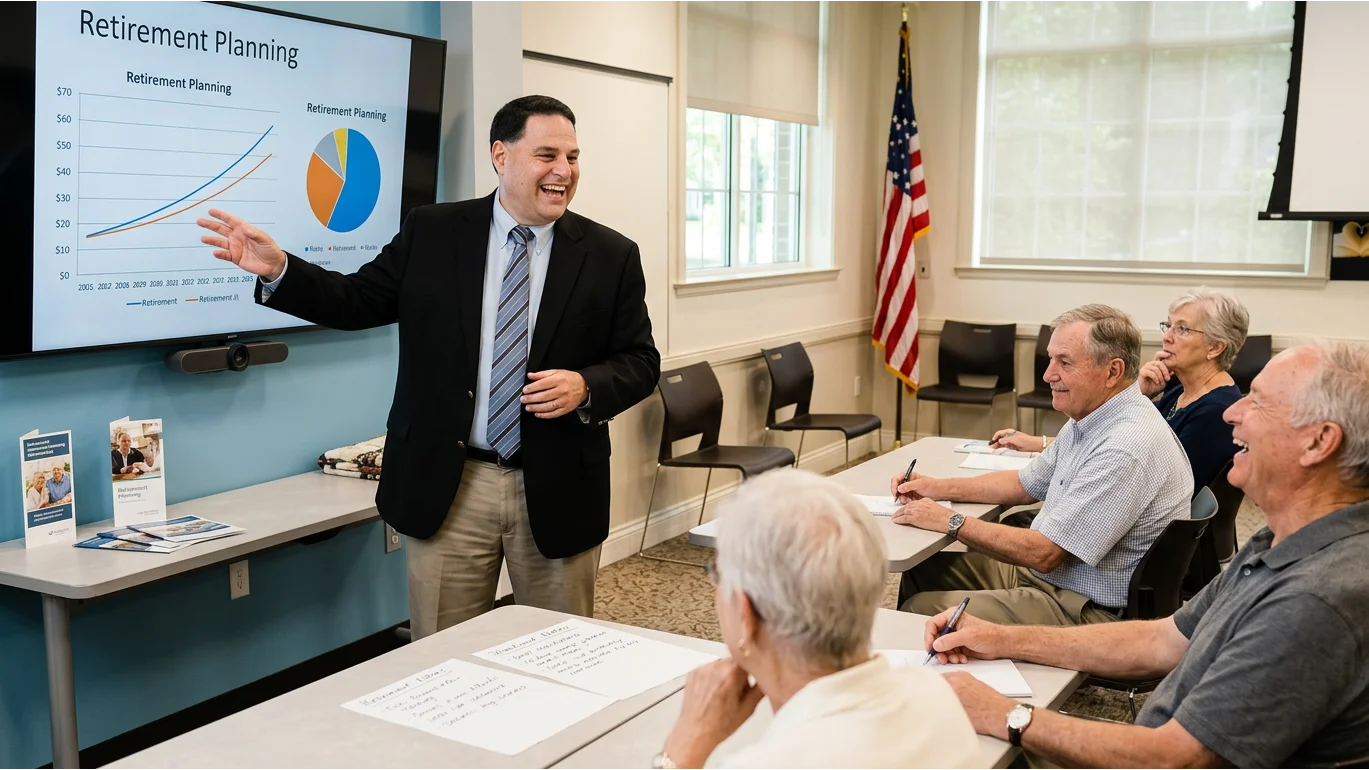
Social Security and pension choices aren’t as simple as picking a date and collecting checks. Start too soon, and you may leave money on the table. Wait too long, and you could risk draining your own savings while your Social Security grows. The right answer depends not just on “the math,” but on your health, your spouse’s situation, and how much you want to leave behind. If you’re a public school retiree, public data on pensions can get muddy—so I walk you through all the angles, without jargon.
One of the biggest mistakes I see is folks taking advice from friends or “so-called experts” without a plan tailored to their needs. For many, a personalized income map means we look at your Social Security options alongside pension elections. I help you spot red flags: like what happens to income if you pass first, or if your spouse needs care. No one-size-fits-all answer, and never a rush job—just clear, thoughtful guidance.
Protecting Your Spouse and Your Legacy with Personalized Income Strategies
This isn’t just your journey; it’s your spouse’s financial future too. Protecting that future means more than just a joint account. The right retirement income strategies for 55+ in Florida always, always include spouse and legacy protection. That can mean survivor options on pensions, joint life annuities, or smart use of beneficiary forms on IRAs and life insurance.
I’ve seen what happens when planning is skipped—surviving spouses losing half their monthly income or kids forced to sell the house to pay taxes. As your lighthouse, my job is not just to warn you about stormy seas, but to chart a safe channel well in advance. That’s one of the best decisions you can make together, and one I help every client get in writing, black and white, before any commitment.
The Risks Florida Retirees Face — and Practical Steps to Guard Your Income
Market Volatility and Sequence of Returns: Plain-English Protections
When the market gets bumpy, your biggest risk isn’t just losing money—it’s taking out money at the wrong time, when your accounts are down. This is what’s called the “sequence of returns” risk. In plain English, if your account is down and you’re withdrawing at the same time, it’s much harder to recover. That’s why one of the best decisions in retirement is putting in “speed bumps” that prevent being forced to sell at the bottom—buffers like cash reserves, or income sources that aren’t tied to the market (like Social Security, pensions, or certain annuities).
I set up retirement income strategies for 55+ in Florida that separate the money you need for the next few years (steady, safe) from what you don’t need to touch yet (more flexible, can wait for recovery). It’s about making sure your Friday night at the club or monthly dinner with friends is never at the mercy of Wall Street. Think of this as one of the best insurance policies—never with jargon, always with real peace of mind.
Healthcare, Long-Term Care, and Facing the Big ‘What Ifs’
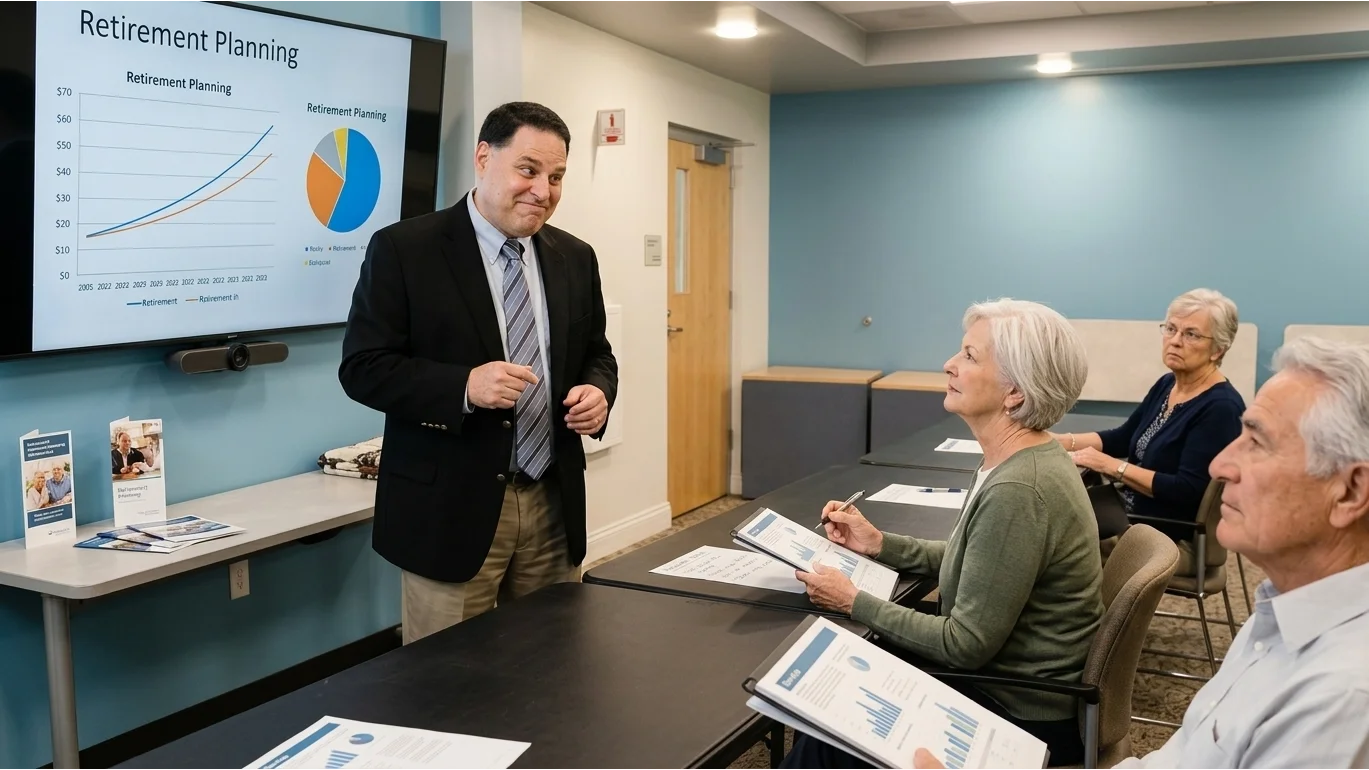
Nobody likes to talk about health setbacks, but in my family—and with clients—those are the “what ifs” that can upend the best-laid plans. Long-term care, unexpected health costs, or even a spouse needing extra help isn’t a failure of planning—it’s part of real life. That’s why every retirement income strategy for 55+ in Florida I recommend includes a plan for covering those bumps: sometimes it’s a set-aside account, sometimes insurance or state benefits, and sometimes a backup for home modifications.
Think of this as part of the lighthouse promise: seeing the rocks ahead and guiding you around them, not just hoping for sunny skies. My job isn’t just math—it’s making sure your plan reflects the love and thought you have for your family, not just your bank account.
“As your lighthouse, my job is not just to warn you about the rocks — but to chart the safest course around them, so you keep moving forward.”
Navigating 55+ Community Choices with Your Retirement Income Strategies for 55+ in Florida
Active Adult Living: How Your Choice Impacts Your Income Strategy
I’ve seen clients fall in love with Florida’s 55+ communities—places like Sun City or Cascade Lakes—only to be surprised by fees, HOA dues, or unexpected community “perks” that cost more than they imagined. Whether you choose a vibrant village with night dances and clubhouses or a quieter corner, your choice changes your monthly budget and your retirement income plan. Real estate professionals often highlight best amenities, but my role is to help you see the real costs up front—and make sure they fit your income map.
Some folks find “active adult” communities are one of the best decisions for lifestyle and social life; others wish they’d analyzed MLS and public data longer. No matter what you pick, your income plan should account for every regular expense, from Friday night dances to property taxes to reserve funds for big repairs. We’ll look together at all these factors before you commit a penny.
Community Perks and Pitfalls: What to Watch For
Some 55+ communities—think Sun City Oro Valley, Sterling Glenn, or Rarity Bay—offer golf, pools, organized dances, and social clubs. Others have high fees, HOA rules that change, or less flexibility than you may want. The best decision? Make your move with eyes wide open—not just to the amenities, but to the obligations, restrictions, and potential cost increases down the road.
I deliver actionable insights for buyers and help you analyze MLS and public data to cut through sales pitch and focus on your needs. Whether you prioritize low monthly fees or a clubhouse full of events, your income strategy should reflect both the perks and the pitfalls. Let’s make sure what you love living with today doesn’t become a headache tomorrow.
Video tour: Exploring Florida 55+ Communities and Real Cost Factors
Tables: Retirement Income Sources and Their Features for 55+ in Florida
|
Income Source |
Stability |
Flexibility |
Tax Impact |
Market Risk |
|---|---|---|---|---|
|
Social Security |
High – government-backed, lifetime |
Fixed (start date choice) |
Partially taxable (federal), no FL state tax |
None |
|
Pensions |
High – employer-backed, depends on plan health |
Usually fixed (some survivor/cola options) |
Mostly taxable (federal), exempt in FL |
Low (unless private plan faces solvency issues) |
|
Annuities |
Medium-High (varies by company/product) |
May be limited (varies by contract) |
Tax-deferred; income is taxable as withdrawn |
Low (for fixed); Higher (for variable) |
|
Investment Accounts (IRAs, 401(k)s, taxable accounts) |
Varies (depends on holdings) |
High (draw what you need, when you need it) |
IRAs/401(k)s are taxable as withdrawn |
High (linked to market ups/downs) |
Answering People’s Top Questions on Florida Retirement Income Strategies for 55+
What are the best and most affordable 55+ retirement communities in Florida?
The best and most affordable 55+ communities in Florida often balance low fees with an engaging social life—think places like Sun City Center, Cascade Lakes, and Sterling Glenn. It’s important to look beyond marketing and compare real estate listings, HOA dues, location, and perks. I help you analyze MLS and public data, so you can make one of the best decisions based on your needs (not the sales pitch). Affordability looks different for every family, so we’ll focus on matching the community to your specific budget and lifestyle—whether that’s a smaller home, a vibrant night dance schedule, or just peace and quiet under the palms.
Are 55+ communities worth it?
For many, 55+ “active adult” communities are absolutely worth it—they offer built-in neighborly bonds, organized activities, and safe, walkable spaces. But they’re only worth it if the fees, HOA regulations, and social expectations align with your personal goals. Some find themselves joining Friday night dances and book clubs; others discover restrictions on things like pets or grandchildren visiting. The key is to ensure community living fits your retirement income strategy and lifestyle, not just a vision painted by a real estate professional.
Where can I find affordable retirement in Florida?
Affordable retirement in Florida depends on your comfort zone. Look in areas a bit away from the coastline—for example, places like Reserve at Green, Valley Ranch, or neighborhoods outside the usual tourist routes. Real estate professionals can pull listings, but my advice is to analyze MLS and public data (meaning: research actual sales and neighborhood trends) before settling. Low taxes in Florida help, but always weigh that against HOA fees, insurance, and healthcare access. Your income plan needs to flex for these costs, and that’s something I specialize in mapping out with no hard sell.
Which 55+ communities in the US are the most affordable?
Outside Florida, communities like Green Valley, Valley Ranch, and Green Valley Ranch, as well as Sun City Oro Valley in Arizona, consistently rank for affordability and lifestyle. In Florida, communities like Cascade Lakes, Sterling Glenn, and Sun City Center are frequently among the most budget-friendly. But the “best” or “most affordable” is truly different for every family. I work with you to analyze MLS, public data, and personal needs. Never get sold on amenities you’ll rarely use—find what keeps you both happy and financially comfortable.
FAQs About Retirement Income Strategies for 55+ in Florida

-
How can I make sure my money lasts as long as I do?
Written, personalized plans are key. We map out income needs—including the “what ifs”—to ensure your money works as hard as you did, with regular updates as life changes. -
What’s the safest way to draw income from my nest egg?
A blended approach: pull from more stable sources (like Social Security or certain annuities) for basics, and draw from flexible accounts when markets are up. That’s how I help clients weather any financial season. -
How does Florida’s tax situation affect my retirement plans?
Florida has no state income tax, so Social Security and most pension payouts go further. But keep an eye on property taxes, sales tax, and healthcare costs—they’re part of your real-world budget. -
Should I downsize, rent, or stay put?
That’s a personal decision! Downsizing often means lower expenses and less maintenance; renting can free up equity for income—but it depends on where you feel at home. We crunch the numbers together, factoring in lifestyle dreams and family needs. -
Do annuities or insurance products actually fit my plan, or are they just for salesmen?
Some fit, some don’t. I’m independent—there’s never a push for products. We only consider them if they deliver real value for your specific needs, never because I have a company to please. Your plan, your choice, always.
Key Lessons for Building Retirement Income Strategies for 55+ in Florida
-
Your best income plan is the one you understand — in writing — before you commit.
-
Look for independence in your advisor, not a pitch tied to one company or product.
-
Steady income, family support, and peace of mind matter more than the latest big return.
-
Protecting your health and spouse are part of the income strategy, not add-ons.
-
No single solution; every plan should be as unique as you are.
You Deserve to Know Where You Stand: Next Steps for Retirement Income Strategies for 55+ in Florida
There’s never a cost to sit down with me. If you want a written, plain-English plan that lets you sleep at night, let’s map your descent before you start it: https://safemoneysteps.com/