
Let me guess: you’ve spent decades working hard, managing your savings the best you could, and now you’re at the crossroads. Do you pull the Social Security lever at 62, hold off till 67, or make the long run to 70? I’ve had this conversation thousands of times in Florida kitchens and porches. The answer isn’t the same for everyone, but by the end of this guide, you’ll be in control of the decision — not just reacting to the noise, the fear, or what some talking head says on TV.
In this article, I’ll walk you through what happens to your monthly check with each choice, the real-world impacts beyond the numbers, and the lessons I’ve learned after thirty-seven years helping folks across Florida get it right for their families. We’ll keep it plain, practical, and always on your side.
- How the timing of Social Security at 62 vs 67 vs 70 in Florida directly impacts your monthly check
- The pros and cons of each age (and why it’s not just about the math)
- Real-world scenarios Floridians face when choosing Social Security timing
- My perspective built from 37 years of guiding retirees through these decisions

Facing the Big Question: When Should You Take Social Security at 62, 67, or 70 in Florida?
Here’s what I hear from clients every week: “Ken, I just want to make sure I’m not making a huge mistake. ” If you take Social Security at 62, your checks start sooner, but they’re smaller for life. Wait until 67 – what the SSA calls your “Full Retirement Age” – and the payments grow. If you can hold out until 70, the checks get as big as they’ll ever be, but that means four to eight more years of covering expenses from your own savings (and a good bit of patience).
To make things trickier, this is not just about squeezing the most out of Uncle Sam. Your health, family, work—and, yes, even your sanity—play a part too. Over my career here in Florida, I have worked with couples worried they’ll shortchange a spouse, single retirees who feel uncertain and alone with the decision, and teachers navigating their own maze of rules and exceptions. No expert (not even me) can tell you the “right” answer without understanding your real story. But I can show you how to clear the fog so you can steer confidently.
“Navigating your Social Security decision is a lot like steering through foggy water: you can’t always see what’s ahead, but with the right guidance, you’ll avoid the rocks. ” — Ken Keplinger
How Social Security Works in Florida: The Basics You Need to Know
- What Social Security at 62 vs 67 vs 70 in Florida really means
- The difference between Full Retirement Age and early/late benefits
- Why your work history and lifetime earnings matter here
No matter which palm-fringed zip code you call home, Social Security at 62 vs 67 vs 70 in Florida boils down to the same core formula. The government tracks your top 35 years of earnings (adjusted for inflation), calculates your “primary insurance amount” (think: your full benefit at Full Retirement Age), and then tweaks it up or down based on when you start claiming.
If you file early—at 62, the soonest you’re allowed—your payments are permanently reduced (usually by about 25-30%). Hit your Full Retirement Age (for most readers, that’s between 66 and 67), and you get your entire “base” benefit. Delay until 70, and you’ll rack up extra credits, up to an “enhancement” of about 24-32% above your FRA amount. That’s the math. But your real check—the impact on your family, your spouse, your retirement mood—depends on more than a calculator. I’ll translate those formulas into English as we go.
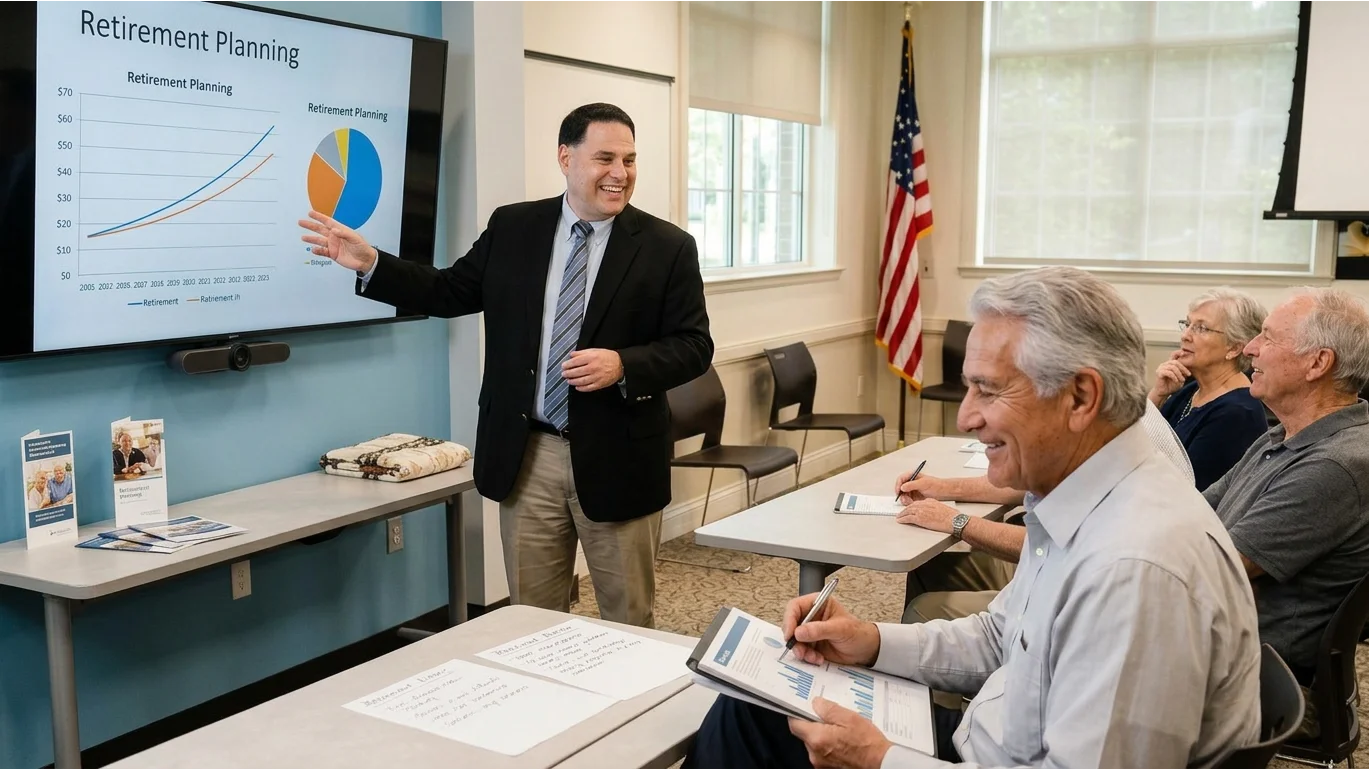
What Changes When You Claim Social Security at 62 vs 67 vs 70 in Florida
Early Claiming: Social Security at 62 in Florida
- The reduction in your monthly benefit
- The impact on your survivor (if you’re married)
- How working may impact your check before Full Retirement Age in Florida
Taking Social Security the moment you hit 62 is tempting—it feels like finally flipping the “retirement” switch you’ve been eyeing for decades. But here’s the tradeoff: you’re locking in a lower check for every month of your life. For most Floridians, claiming at 62 means a permanent haircut of about 25% compared to your Full Retirement Age benefit. If you’re married, your spouse’s survivor benefit could get trimmed too, a detail that breaks a lot of hearts when not caught early.
There’s another catch: if you keep working between 62 and your Full Retirement Age and your income is above a certain threshold, Social Security can temporarily cut your monthly payment even further (don’t worry, you get those reductions back eventually—but it sure can cause confusion). I’ve seen working retirees in Naples get stuck wondering why their check shrank mid-year. The upside? You start collecting money sooner, and no one can promise you tomorrow. The downside? Less in your pocket for years to come, especially if you enjoy a long, healthy life—a good problem in my book.
Claiming at Full Retirement Age: Social Security at 67 in Florida
- How your benefit is calculated at 67
- Why the break-even point deserves attention
- What “Full Retirement Age” actually looks like in a real-life Florida scenario
Waiting until your Full Retirement Age—67 for most people reading this—lets you collect your full “base” Social Security benefit, with no reductions for early filing, and with no limits on how much you can earn from work or investments without losing a nickel. Think of FRA as the government’s version of “fair,” though whether it feels fair is another matter.
Here’s a term the pros love to toss around: the “break-even point. ” Put simply, this is the age when the total dollars you get from waiting (starting bigger payments at 67) finally outpaces all the dollars you would have gotten had you started smaller checks at 62. For many, that breakeven lands around age 78-81. Of course, if you don’t know how long you’ll live (spoiler: none of us do), this is not solely a math game—it’s a family game, a health game, a “sleep at night” game. In most Florida scenarios I see, claiming at 67 balances risk and reward for people who feel healthy, have enough savings to bridge the gap, and want to give their spouse a fair shot at a solid survivor’s benefit.

Delaying Benefits: Social Security at 70 in Florida
- How much your monthly payment increases by waiting
- Who benefits most from waiting until 70
- Tradeoffs: longevity, health, and spouse considerations
If you’re healthy, have other sources of income, or just plain love the idea of a bigger check, waiting until 70 can be powerful. Each year you hold off after Full Retirement Age bumps your monthly Social Security payment by roughly 8%—a guaranteed increase you won’t find in any CD or annuity. By age 70, that boost can mean checks are 24–32% higher than if you’d started at 67, and almost 76% higher than if you’d started at 62. If you live into your 80s or 90s (something I see more often than you’d think), you will collect much more money overall.
Does waiting always make sense? Not for everyone. It’s a good deal for those in good health with long-lived parents, or anyone with a younger spouse who’ll need a healthy survivor check if you’re first to go. But if a medical issue runs in your family or you just can’t (or don’t want to) cover the bills from your own savings until 70, then getting those years of smaller checks may provide more comfort than maximizing the number. There’s wisdom in both paths—your priorities make the answer.
| Claiming Age | Monthly Benefit (as % of Full Retirement Amount) | Pros | Cons |
|---|---|---|---|
| 62 | ~70-75% |
|
|
| 67 (Full Retirement Age) | 100% |
|
|
| 70 | ~124-132% |
|
|
Life Beyond the Numbers: How Family, Health, and Taxes Affect Social Security at 62 vs 67 vs 70 in Florida
- Planning for your spouse or dependents
- Medical needs that can shape your timing decision
- Social Security income and taxes in Florida
It’s tempting to chase the highest number, but real life doesn’t run on spreadsheets alone. If you have a spouse whose financial security depends on your benefit, remember: your claiming age often decides the ceiling on their survivor benefit. Claim early and leave them with less. Wait longer, and you could leave them well taken care of. This is doubly true for single-income couples or situations where one spouse outlived the other by a decade or more (something I hear about at almost every workshop).
Health is another crucial puzzle piece. If you have a diagnosis or a history that suggests a shorter-than-average retirement, taking benefits early may make more sense than waiting for “maximum” numbers you might never actually spend. On the other hand, couples with long-lived relatives (think: parents in their 90s) may benefit from holding out for the largest possible checks. As for taxes, Florida doesn’t tax Social Security benefits (sweet relief!), but the IRS still might, depending on your total retirement income—including pensions, required IRA withdrawals, and side gigs. Factor this into your planning so the surprise comes with a smile, not a headache.

Real Scenarios: How Your Social Security at 62 vs 67 vs 70 Decision Plays Out in Florida Life
- A couple who both worked — what timing means for them
- Single retirees and widows in Florida
- Retired teachers and public workers: special situations
Real families don’t fit into neat, theoretical boxes, so let’s pull up a few real-life Florida scenarios. A married couple where both spouses worked may have a wider range of choices: do you stagger your claims, with one spouse starting early and the other waiting for a higher benefit? Often, staggering can provide immediate cash flow while maximizing at least one lifetime “big check” for survivor protection. For single retirees or widows, the upside of waiting can be preserving higher income for later life, but sometimes—especially for those living entirely alone—the peace of immediate monthly money trumps all else.
Florida’s teachers and public-sector retirees often have additional hoops to jump through, thanks to programs like the Windfall Elimination Provision (WEP) or Government Pension Offset (GPO). These rules can reduce Social Security checks for those who also get a public pension, so careful coordination is critical—one more reason to get everything written down, black on white, before making your move. Whether you’re living in The Villages, a beach bungalow, or an Orlando suburb, your Social Security strategy is as unique as your own family photo album.

Answering Your Top Questions about Social Security at 62 vs 67 vs 70 in Florida
How much more Social Security at 70 vs 67?
- A clear explanation of how monthly benefits increase — and how much you stand to gain by waiting
If you hold off claiming from 67 (Full Retirement Age) to 70, your monthly Social Security check increases by about 24%. That means, for every $1,000 you’d have received at 67, you’ll get about $1,240 at 70—every single month, for the rest of your life. This extra amount is “locked in” and makes a big difference if you (or your spouse) live into your eighties or nineties. For many healthy Florida retirees, this delay can be the single best risk-free “raise” you can give yourself and your family later on.
How much do you have to make to get $3,000 a month in Social Security?
- A plain-English answer about work history, earnings, and how Social Security at 62 vs 67 vs 70 in Florida factors in
To receive $3,000 per month from Social Security, you generally need a long work history at or above the maximum Social Security taxable wage—meaning you likely earned near the Social Security payroll tax cap for 35 years. Even then, you only reach that $3,000/month mark if you wait until your Full Retirement Age (67) or, ideally, claim at 70. Starting benefits at 62 automatically reduces your check, often putting the $3,000 goal out of reach unless you were an exceptionally high earner. Remember, Social Security averages your highest 35 years, so periods of low income can drag down your final benefit.
Why does Dave Ramsey say take Social Security at 62?
- Overview of Dave Ramsey’s reasoning — and my perspective after 37 years helping real clients in Florida
Dave Ramsey often recommends claiming Social Security at 62 because, in his approach, you “just take the money and invest it. ” He assumes you can earn greater returns elsewhere, or that you may not live long enough to benefit from waiting. In my decades working face-to-face with Florida retirees, I’ve seen this logic appeal to those worried about health or planning to continue working full-time. But if you want to reduce longevity risk—making sure you (and your family) don’t outlive your money—the higher, guaranteed check at 67 or 70 can offer far more peace of mind, especially for married couples and those with a strong family history of living long.
How much money will I lose if I retire at 62 instead of 67?
- An honest look at reduced payments, break-even analysis, and what happens if you live a long life
Retiring and taking Social Security at 62 instead of waiting until 67 permanently reduces your monthly benefit by about 25-30%. Over a 20-year retirement, that adds up to tens of thousands of dollars less in your pocket. The “break-even” age, where waiting until 67 finally pays off compared to early filing, usually falls around age 78-81. If you live past your early eighties, waiting to claim almost always results in collecting more total dollars. However, if you’re concerned about health or absolutely need the cash flow, starting at 62 ensures you get something, even if it’s less. There’s no one-size-fits-all answer—only the one that fits your real life.

My Best Advice on Choosing Social Security at 62 vs 67 vs 70 in Florida
“The right answer lives where your numbers and your real-life meet. Don’t let anyone rush you, and don’t leave your future to chance. ” — Ken Keplinger
If you remember one thing, let it be this: Retirement isn’t one-size-fits-all, and neither is your Social Security decision. The right timing for you may not be the “mathematically perfect” answer for someone else. I put every option in writing for my clients—complete with best-case and worst-case scenarios—so there’s never a surprise, just steady ground and a clear path. Take your time, talk it out, and remember that you get one shot at this switch. Choose when it feels right for you, not for a spreadsheet or a pressure pitch.
Key Takeaways for Social Security at 62 vs 67 vs 70 in Florida
- Social Security at 62 vs 67 vs 70 in Florida isn’t just a math problem — it’s about your life, family, and peace of mind
- The later you claim, the higher your check — but not everyone should wait
- Put the numbers on paper, be honest about your health, and talk it through with someone who explains, not sells
Frequently Asked Questions: Social Security at 62 vs 67 vs 70 in Florida
- Can I work and collect Social Security at 62 in Florida?
If you claim Social Security before your Full Retirement Age and keep working, your benefits may be reduced if your earnings exceed the allowed amount. This reduction is temporary, though—any benefit held back is recalculated and added to your checks after FRA. Many Floridians successfully blend work and early filing, but surprises are common, so double-check your numbers. - Does waiting to claim always pay off?
No. Waiting boosts your monthly check, but only matters if you live long enough to collect the bigger payments. If health or family history suggests a shorter retirement, claiming early may bring more value. For those with longevity, patience pays off. The “right” answer starts with a real conversation about your life, not just the chart. - How does retirement income in Florida affect my Social Security taxes?
Florida itself doesn’t tax Social Security, but Uncle Sam might based on your combined income (which includes wages, pensions, IRA withdrawals, etc.). If your total income exceeds certain limits, up to 85% of your benefit could be taxable federally. I guide every client through a tax scenario before they file—better to be ready than caught off guard.
Ready to Put Your Social Security Strategy on Paper?
- Let’s map your descent before you start it: https://safemoneysteps.com/
Video Resource: Watch this short explainer video breaking down the “at 62, 67, or 70” choice for Florida retirees. You’ll see graphics, hear stories, and get the highlights in five minutes flat—no sales pitch, just clear, visual answers designed for you.
Conclusion: You have one shot at this, and you owe it to yourself and your family to make it count. Social Security at 62 vs 67 vs 70 in Florida is a crossroads — let’s light the way together. There’s never a cost or catch to talk it through. The only wrong move is making it alone or in a blur. My door (and my calendar) are always open.