
Picture this: You’ve spent a lifetime building your savings and planning for the smooth waters of retirement, only to find yourself navigating a foggy patch just when you need reassurance the most. If you’re like the hundreds of Floridians I’ve sat across the kitchen table with, you might be surprised — sometimes even blindsided — by what Medicare doesn’t cover. Let’s bring those gaps into the daylight, together, so you can steer clear of unpleasant surprises and make sure the bills are covered, vacation or not.
Navigating the Waters: Why Understanding What Medicare Does Not Cover in Florida Matters
If you’ve ever skimmed a Medicare guidebook and felt more lost than found, you’re not alone. Many people approach age 65 believing Medicare will handle just about everything health-wise — after all, isn’t that what you’ve been told all these years? The truth is, the program leaves some very real, very expensive holes, and not knowing what’s excluded can mean being stuck with bills that upend the careful planning you’ve done your whole life.
For Floridians, understanding what does Medicare not cover in Florida is as important as knowing what it does cover. Health insurance in retirement is a different world than workplace benefits. It’s easy to assume that if you’ve paid into the system, Medicare coverage is “total coverage,” but original Medicare — which is Part A (hospital insurance) and Part B (medical insurance) — have strict boundaries. Knowing where those boundaries lie is how you protect what you’ve earned and make sure your family isn’t left picking up the pieces. Ignorance isn’t bliss when it comes to your health care coverage; it’s a surefire way to wind up frustrated or, worse, financially exposed.
Scenario: You’ve Worked Hard, Now It’s Time to Protect What You’ve Built
Here’s a scenario I see all the time: You retire, feeling confident, Medicare card in hand. Maybe you’re healthy, maybe you’ve got a couple of aches and pains — nothing major. Out of nowhere, one year brings a dental infection, a needed hearing test, or a parent requiring long-term care. Suddenly, you learn these are care services not covered by Medicare, and your fixed monthly income is pulled in a dozen new directions. That’s not just a budget buster; it’s peace of mind lost. My job, as I see it, is to make sure you see every reef and sandbar in advance, not after you’ve run aground. That’s the kind of confidence you deserve.

What You’ll Learn About What Medicare Does Not Cover in Florida
-
The types of medical services and expenses not covered by Medicare in Florida
-
How Part B, original Medicare, and other components fit together
-
Common surprises retirees face with Medicare coverage
-
Options for protecting yourself from uncovered expenses
A Quick Refresher: What Is Medicare Coverage in Florida?
Before we talk about what’s not covered, let’s set the table: Original Medicare is made up of Part A and Part B. Part A covers things like hospital stays and skilled nursing after a hospital visit, while Part B handles doctor visits, lab work, outpatient care, and some preventive services. This is the same in Florida as it is anywhere in the country, but how you fill the gaps might look a little different depending on your situation, your health, and your priorities — especially here where retirees often balance travel, multiple homes, or supporting aging parents.
Now, here’s the thing: Original Medicare wasn’t designed to be full health insurance. There are important care services it never included — like dental, routine vision, and long-term care — and a long list of limitations that catch people off guard even after years of paying into the system. That’s why almost everyone either adds a Medicare Supplement plan (also called Medigap), a stand-alone drug plan, or a Medicare Advantage plan to fill the blank spaces.
Breaking Down Part A, Part B, and Original Medicare
To make it plain: Part A is mainly your hospital coverage — it helps pay for inpatient stays, skilled nursing (after qualifying), and home health care post-hospital, but not long-term custodial care. Part B is for outpatient care: doctors’ appointments, lab work, and some preventive services. But many care expenses, like routine dental visits or hearing exams, are not included. Add-ons (like a prescription drug plan or a Medicare Supplement plan for the 20% or so not covered by Original Medicare) become indispensable for complete peace of mind. Medicare Advantage plans (also called Part C), which are private health plans approved by Medicare, offer an ‘all-in-one’ alternative and sometimes toss in extras — but with important trade-offs of their own.
It can feel like trying to piece together the right health plan from a pile of puzzle pieces. Each part fills a need, but the coverage gaps in drug coverage, extra dental or vision, and long-term support create plenty of headaches for anyone relying only on the basics.
Where Health Insurance Ends and Out-of-Pocket Costs Begin
Here’s the dividing line that few people see coming: original Medicare pays for many “medically necessary” health care services but not everything you might count on as essential, especially over a long retirement. Out-of-pocket costs — deductibles, co-pays, coinsurance — start adding up, and quickly. Medical services you thought were “routine,” like annual vision, dental cleanings, or new eyeglasses, may not be covered at all. Major categories, including long-term custodial care and international health care coverage, are squarely on your shoulders unless you’ve planned for them in advance.
And because every year brings something new — a change in your health, a new medication, a curveball life event — staying informed about coverage limits isn’t a one-time job. It’s an ongoing conversation I have with clients like you. Let’s break down the gaps clearly, so you always know where the finish line is, not just where you hope it will be.
What Does Medicare Not Cover in Florida? The Big Picture
-
Major categories excluded from Medicare coverage: long-term care, dental, vision, hearing, and more
-
Limitations of original Medicare and its impact on retirees
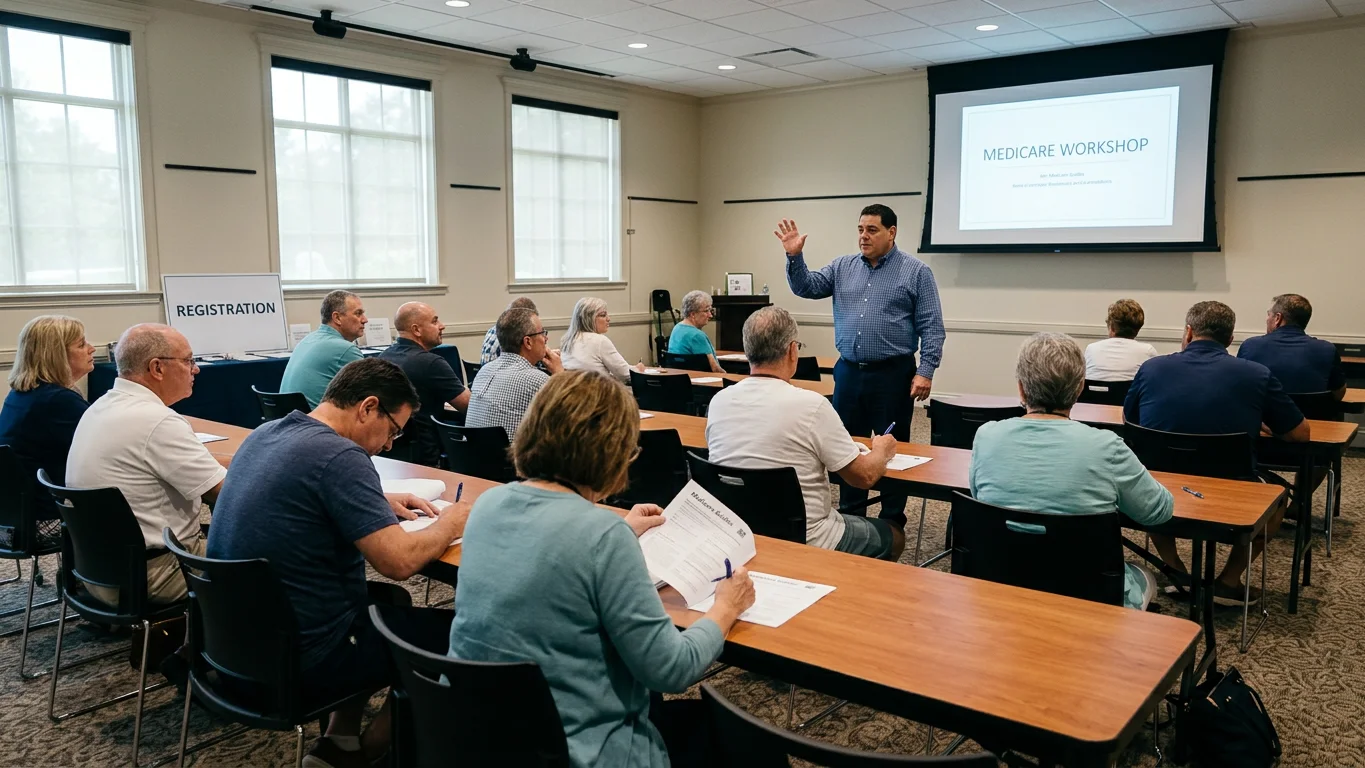
So, what does Medicare not cover in Florida — and why does it matter so much here? Put simply, the exclusions hit exactly where the needs of retirees and pre-retirees are greatest. The most glaring gaps include long-term nursing care (think assisted living or memory care), most dental care (including routine cleanings and dentures), eye exams and glasses, hearing aids, and prescriptions, unless you’ve added a drug plan. Especially in Florida, where extended family structures and long retirements are common, these can become significant risks for your savings.
What’s more, Original Medicare puts solid walls around these gaps. That means you can’t just “add” coverage for them without enrolling in extra plans at the right times. Ignoring the holes isn’t an option; I’ve seen too many hard-working families surprised by a health insurance bill that blows up their best-laid plans — all because Medicare, by design, wasn’t built to cover everything.
Essential Expenses Not Covered by Original Medicare
Long-Term Care—Why This Is the Most Overlooked Gap
Let me be as clear as the Florida sunrise: Medicare does not pay for long-term custodial care. That means if you need an extended stay in a nursing home, assisted living community, or even daily home care help (after your brief “skilled” care period ends), those costs are on you. This is the single biggest surprise for most retirees, and the single most expensive — a reality I’ve had to walk through with too many families after the fact. Long-term care insurance, private savings, or Medicaid (which has strict income and asset rules) are your main alternatives. Don’t let the “Medicare covers everything” myth steer your ship into these rough waters unprepared.
There’s a human side, too: needing care can strain every relationship, upend your children’s plans, and bring stress instead of rest to your retirement. That’s why building protections for these expenses into your plan — long before you need them — is one of the kindest things you can do for yourself and your family.

Dental, Vision, and Hearing: The Usual Suspects
Here’s the catch-22: As we age, almost everyone needs more regular dental care, vision checks, new glasses, and hearing aids — yet Original Medicare leaves you to pay full price for these “routine” essentials. Most dental work (cleanings, fillings, dentures), routine vision (exams, prescription glasses), and hearing aids are all excluded from basic Medicare coverage. Even if you have a Medicare Advantage plan, coverage for these services is often limited — with networks, caps, and other restrictions.
It’s no exaggeration to say that these are among the most common and costly gaps in retiree health insurance. I recommend reviewing your health plan options every year during open enrollment to see if stand-alone plans, supplemental policies, or even employer retiree benefits can help close these loopholes — before a minor toothache becomes a major financial headache.
Prescription Drug Coverage: Where Original Medicare Falls Short
Here’s a classic misunderstanding: Original Medicare does not cover most outpatient prescription drugs. Unless you add a Part D drug plan (or join certain Medicare Advantage plans with drug coverage), you’re footing the bill for your maintenance medications — and some of those can run into the thousands per year, depending on your health. The exceptions are prescriptions you get while hospitalized or certain outpatient treatments, but that’s not enough for most retirees.
Not having drug coverage (or choosing the wrong plan) is a leading cause of high out-of-pocket costs I see with new clients. Here, having a supplement plan, a thorough review of drug formularies, or even an employer’s retiree drug coverage can make all the difference.
International Care & Emergency Coverage Outside the U.S.
Florida is full of travelers — if you dream of journeys outside the United States, it’s important to know that Original Medicare does not pay for medical care overseas (with a few very rare exceptions for emergencies near U. S. borders). If an accident, illness, or emergency happens on your dream trip (or even just over the border), you’re expected to cover those costs yourself — unless you have a supplement plan with foreign travel emergency benefits, or specialized travel insurance.
I often counsel snowbirds and adventure-loving retirees to put international medical coverage and evacuation insurance on their must-have checklist. No one wants to spend their vacation worried about “what if. ”
What Medicare Part B Does Not Cover in Florida
-
Alternative medicine and acupuncture
-
Most routine physicals, hearing aids, dental care
-
Cosmetic surgery and personal comfort items
Let me call out a few more specifics. Part B — the part that covers most doctor visits — excludes care services like acupuncture (with very few exceptions), most alternative therapies, and routine physicals beyond annual “wellness visits. ” Cosmetic procedures and personal comfort items while you’re in the hospital (like a private TV or phone, extra toiletries) are on your own dime. These are the sorts of expenses that catch people by surprise, even though they seem “medical” on the surface.
Always check whether a service is considered “medically necessary” by Medicare standards. This is how they decide what’s covered and what’s not — and why so many perfectly reasonable healthcare services, from hearing aid fittings to dental implants, end up on your bill instead of the government’s.
Table: Common Florida Health Care Expenses NOT Covered by Medicare
|
Service |
Covered by Medicare? |
Typical Out-of-Pocket Risk |
Notes/Solutions |
|---|---|---|---|
|
Long-term nursing care |
No |
High |
Consider long-term care insurance; Medicaid only after spending down assets |
|
Routine dental work (cleanings, dentures) |
No |
Moderate to High |
Look for stand-alone dental plans or Advantage plans with dental coverage |
|
Vision exams, eyeglasses |
No |
Moderate |
Some Advantage and stand-alone vision plans available |
|
Hearing aids, routine exams |
No |
Moderate |
Check for Advantage plan inclusion, but coverage is often limited |
|
Prescription drugs (outpatient) |
No (unless you have Part D) |
High |
Add a Part D drug plan or join an Advantage plan with drug coverage |
|
Overseas medical care |
No (rare exceptions) |
High |
Consider travel insurance or a Medicare Supplement plan with travel benefits |
|
Alternative therapies (acupuncture, except limited exceptions) |
No |
Varies |
Private pay only; rarely covered |
|
Personal comfort items (private rooms, in-hospital amenities) |
No |
Low to Moderate |
Out-of-pocket |
Weaving the Nets: How Floridians Cover Medicare Gaps
Medigap, Medicare Advantage Plans, and Private Health Insurance
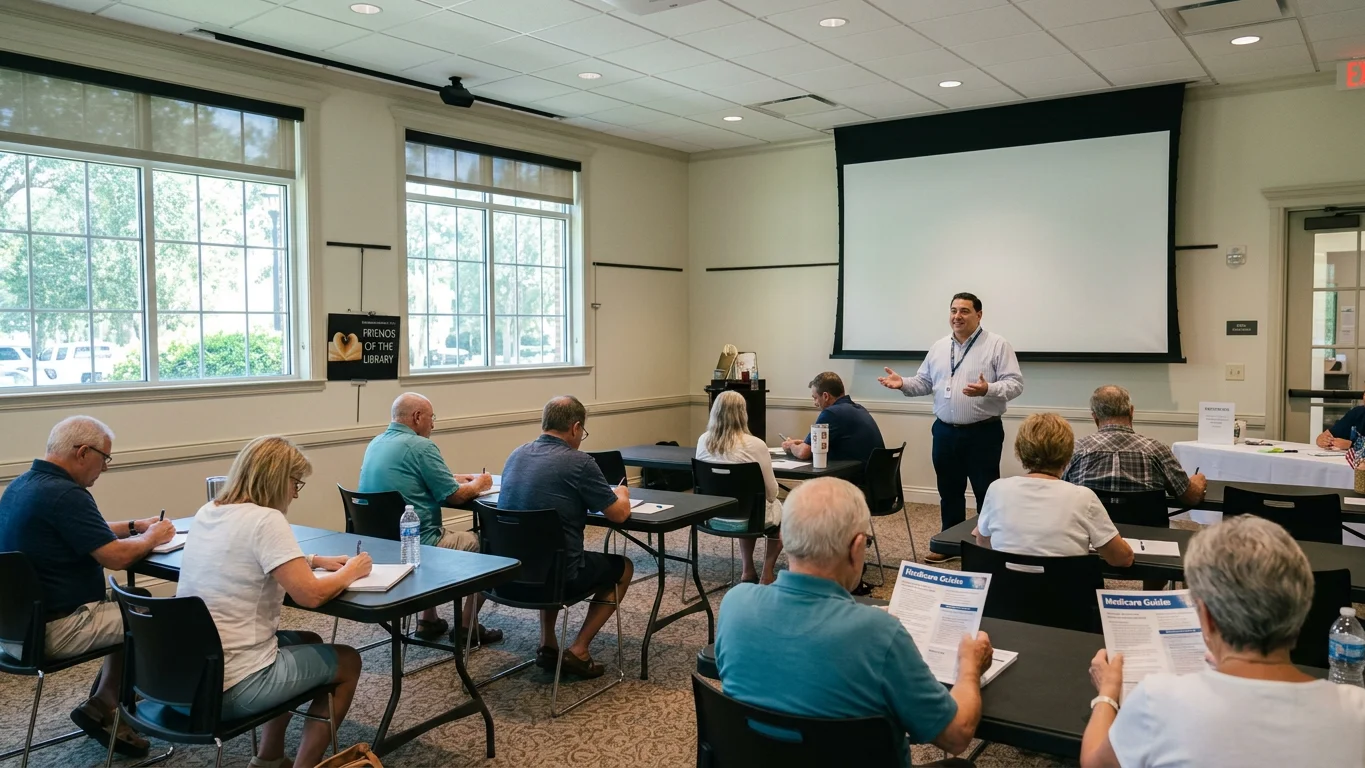
Most folks who want full peace of mind in retirement use one or more “nets” to fill Medicare’s holes. Medigap (Medicare Supplement) plans cover most out-of-pocket costs left by Original Medicare, but won’t help with dental, vision, hearing, or drugs — you’ll need to add a separate Part D drug plan for those. Medicare Advantage plans — which bundle hospital, medical, and sometimes dental, vision, and even fitness benefits — can look appealing, but always examine their networks (which doctors you can see), co-pays, and annual limits to make sure they fit your personal needs.
If you’re still working (or your spouse is), employer health plan or retiree coverage can act as secondary insurance or even offer perks not available on the open market. The key is being choosy and reviewing your coverage every year. I’m always here, across the kitchen table, to help you navigate those options — and remember, you never write me a check.
Employer and Retiree Coverage—A Second Line of Defense
Don’t overlook the benefits you might have as a former public-sector worker, teacher, or corporate retiree. Many employer or retiree health insurance plans are designed to pick up where Medicare leaves off, at little or no extra cost. But plans are offered in all shapes and sizes — some are great, some only so-so, and others go away if you miss the enrollment window. It pays to coordinate your employer coverage with your Medicare plan. And if you’re not sure how your puzzle pieces fit, bring your paperwork and let’s walk through it together.
“You steer the ship, but you deserve someone to help you read the map. That’s what I do.” — Ken Keplinger
The Human Side: Coping with What Medicare Does Not Cover in Florida
-
Family impacts and practical consequences
-
How to avoid stress, confusion, and financial surprises
These aren’t just numbers on a spreadsheet — every gap in coverage affects families, not just individuals. I’ve watched children become caregivers and spouses become accountants overnight because the “uncovered” care had to be handled somehow. Planning ahead avoids not just financial shocks, but the stress and confusion that blow in when urgent care is needed and the resources aren’t there. The best peace of mind? Putting a plan in writing now, so that future you (and your loved ones) already know the ropes.
My advice: Don’t try to memorize every Medicare rule. Instead, work with someone who knows how to put all the puzzle pieces together, so you can live your retirement on your terms — not the government’s.

Video Resource: The Surprising Gaps in Medicare Coverage for Florida Retirees
Watch this short, friendly explainer that breaks down the most common Medicare gaps for Florida retirees, using real scenarios — so you’ll never be caught off guard.
People Also Ask: Common Questions About What Medicare Does Not Cover in Florida
Is Medicare free in Florida?
Many people are surprised to learn that Medicare is not entirely free — even in Florida. Part A may be premium-free for most, but Part B (which covers doctor visits and outpatient care) comes with a monthly premium and other out-of-pocket costs. Co-pays, deductibles, and items Medicare does not cover (like dental or long-term care) can leave you responsible for significant expenses.
What blood tests does Medicare not cover for seniors?
Medicare covers blood tests deemed medically necessary by your doctor, but it doesn’t cover those that are considered routine (like annual wellness panels) unless you’re at risk for certain conditions. Non-essential screenings and certain genetic tests usually fall outside what Medicare covers — meaning you pay the cost.
What are the five things Medicare will not cover?
The big five gaps in Medicare coverage, especially in Florida, are: long-term care (nursing home stays), routine dental work, vision care (including eyeglasses), hearing aids, and overseas emergency care. These are the areas I see most often catch retirees off guard.
Does Medicare pay 100% of anything?
While Medicare covers 100% of some preventive services (like annual flu shots or certain screenings), for most things — including hospital stays and doctor visits — it pays only its portion, leaving you responsible for deductibles, co-pays, or coinsurance.
Lists: Quick Glance at What Does Medicare Not Cover in Florida
-
Long-term nursing care
-
Dental services (routine cleanings, dentures)
-
Vision exams and eyeglasses
-
Hearing aids and exams
-
Prescription drugs (unless you add Part D)
-
Overseas care and travel emergencies
-
Acupuncture and most alternative therapies
-
Most cosmetic surgery
-
Personal comfort items while hospitalized
Video Resource: How to Fill the Gaps Left by Medicare in Florida
Discover practical steps to cover what Medicare misses in Florida — including Medigap, Advantage plans, and private solutions — in this approachable video. It’s worth investing three minutes of your time today to save yourself worry tomorrow.
Key Takeaways About What Medicare Does Not Cover in Florida
-
Original Medicare leaves significant gaps, especially for care most needed in retirement
-
Know the limits of Part B and the need for supplemental health insurance
-
Planning ahead is the best way to protect your family from unpleasant surprises
FAQs About What Does Medicare Not Cover in Florida
Are dental and vision really not covered at all?
That’s correct: Original Medicare does not cover routine dental care (think cleanings, fillings, dentures) or routine vision (exams, glasses). You need to buy a stand-alone plan, add certain Medicare Advantage plans, or pay out-of-pocket.
Do I need an additional policy for prescription drugs?
Yes, unless you join a Medicare Advantage plan that includes drug coverage, you must enroll in a Part D prescription drug plan for outpatient medications. Don’t skip this, or you’ll face gaps and potentially late-enrollment penalties.
How do I plan for long-term care expenses if Medicare doesn’t pay?
The main options are long-term care insurance, hybrid life/long-term care policies, or setting aside savings specifically for these costs. Medicaid can help, but only after strict income and asset requirements are met. Talk with a retirement specialist to map out the right approach for your family.
Is Medicare different in Florida compared to other states?
Original Medicare is the same nationwide, but plan choices, costs, and supplement options may differ by state. Florida’s large retiree population means you may have more choices, but the basic coverage rules and gaps remain the same.
What can I do today to prepare for these Medicare coverage gaps?
The single best step is to review your current plans, get all your coverage details in writing, and map out an action plan before a health event puts you on the spot. Bring your questions and your current paperwork; I’ll sit with you and help you see in black and white exactly what’s covered, what’s not, and what steps will fill the gaps.
Ready for Clarity? Let’s Find Out If Your Bills Are Covered for Life
I know the Medicare maze is overwhelming — but you don’t have to memorize it. If you want to see in black and white what’s covered, what’s not, and how to make sure your bills are paid no matter what happens, there’s never a cost to sit down with me.Let’s find out if your bills are covered for life.
In summary: Knowing what does Medicare not cover in Florida puts you in true command of your retirement journey. Don’t sail alone — a safe harbor is just a conversation away.