
“Nobody plans for heartbreak. But part of loving your family is making sure they’re taken care of — no matter what. After decades helping families just like yours, let me help light the way.”
Picture this: Early morning sunlight in your Florida kitchen, the world briefly quiet. Maybe you’re sifting through mail, spotting a pension statement in your spouse’s name that you never expected to face alone. Moments like these aren’t just paperwork—they trigger real questions and real worries. If you’re searching for clear answers about what happens to pension when a spouse dies in Florida, you’re in the right place. We’ll shine a light on the steps ahead—gently, plainly, and without pressure—so you can take care of your loved ones, and yourself.
If You’re Wondering What Happens to Pension When Spouse Dies in Florida, You’re Not Alone
Over the past 37 years, I’ve walked alongside many Florida families in rooms filled with both heartache and hope. When someone loses a spouse, the questions start coming fast: Will the pension continue? What about Social Security? Who do you call first? In many cases, a surviving spouse may feel overwhelmed by the swirl of paperwork, deadlines, and unfamiliar terms. The aim of this guide is to simplify all of it—because in moments of loss, you deserve straight talk, not a sales pitch or a firehose of jargon.
-
What you’ll learn in this guide:
-
How pensions typically work for surviving spouses in Florida
-
What to expect with Social Security — and what surprises most families
-
Plain-English rules on survivor benefits, death payments, and claiming timelines
-
Steps to take after a spouse passes away, including coordinating with a funeral home
-
Where to turn when you just want straight answers, not a sales pitch

First Questions After a Spouse’s Death: Your Pension, Social Security, and Survivor Benefits
When a spouse passes, there’s no guidebook handed out at the door. Yet within days, choices need to be made that can shape a surviving spouse’s financial future. The first questions often center on pensions and Social Security. For most Florida families, Your path begins with understanding three main forms of support: pension survivor benefits, Social Security survivor benefits, and the Social Security one-time death payment. The details can be nuanced, but knowing what to expect reduces surprises—and unnecessary stress.
In many cases, the process starts at the funeral home. The funeral director will often help coordinate the official death registration and may even help you report the death to Social Security. Still, the responsibility to contact the pension administrator and claim survivor benefits falls to you and your family. Remember, Social Security and pension systems do not talk to each other automatically. With the right documents—usually a certified copy of the death certificate—you can help make claims quickly and avoid weeks (or months) of delay.
How does Social Security respond after a spouse’s death? What about survivor benefits and the $255 death payment?
When a loved one passes, Social Security doesn’t automatically start survivor benefits or send the death payment. As the surviving spouse or other eligible family member, you must contact Social Security directly—ideally as soon as possible. There is a one-time death payment of $255, but it’s only paid to certain family members, usually the spouse living with the deceased person, or a minor or disabled child. Survivor benefits may be available if you’re at least 60 (or younger if caring for an eligible child), and these generally provide a monthly income based on your late spouse’s work record. Most pensions also have their own rules about continuing payments, so it’s important you apply for each separately.
|
Key Benefits After a Spouse’s Death in Florida |
|||
|
Benefit Type |
Who May Qualify |
How It’s Claimed |
Payment Timeline |
|---|---|---|---|
|
Pension |
Surviving spouse or named beneficiary |
Varies by plan |
Depends on plan rules |
|
Social Security Survivor Benefit |
Surviving spouse (age 60+ or any age if caring for child under 16) |
Must apply directly |
Usually within 2 months |
|
Social Security Death Payment |
Eligible spouse or child |
Application needed |
One-time $255 payment |
|
Other Retirement Funds (401k/IRA) |
Named beneficiaries |
Contact administrator |
Varies |
Step-by-Step: What Happens to Pension When Spouse Dies in Florida
Navigating next steps might feel like landing in rough, unfamiliar waters. But I promise, it gets clearer one step at a time. Here’s how I guide Florida families through the process:
Step One: Notify Pension Administrator and Funeral Home
Your first calls often go to the funeral home and your spouse’s pension administrator. The funeral home staff can assist with official paperwork, including registering the deceased person’s death with the state and informing Social Security. However, for pension benefits, you’ll need to contact the pension plan yourself. Ask the funeral director if they will notify Social Security on your behalf “for government benefits purposes”—they often do, but never assume. Meanwhile, you may need several certified copies of the death certificate for each benefit you claim; many cases require these for retirement plans, life insurance, and IRAs.
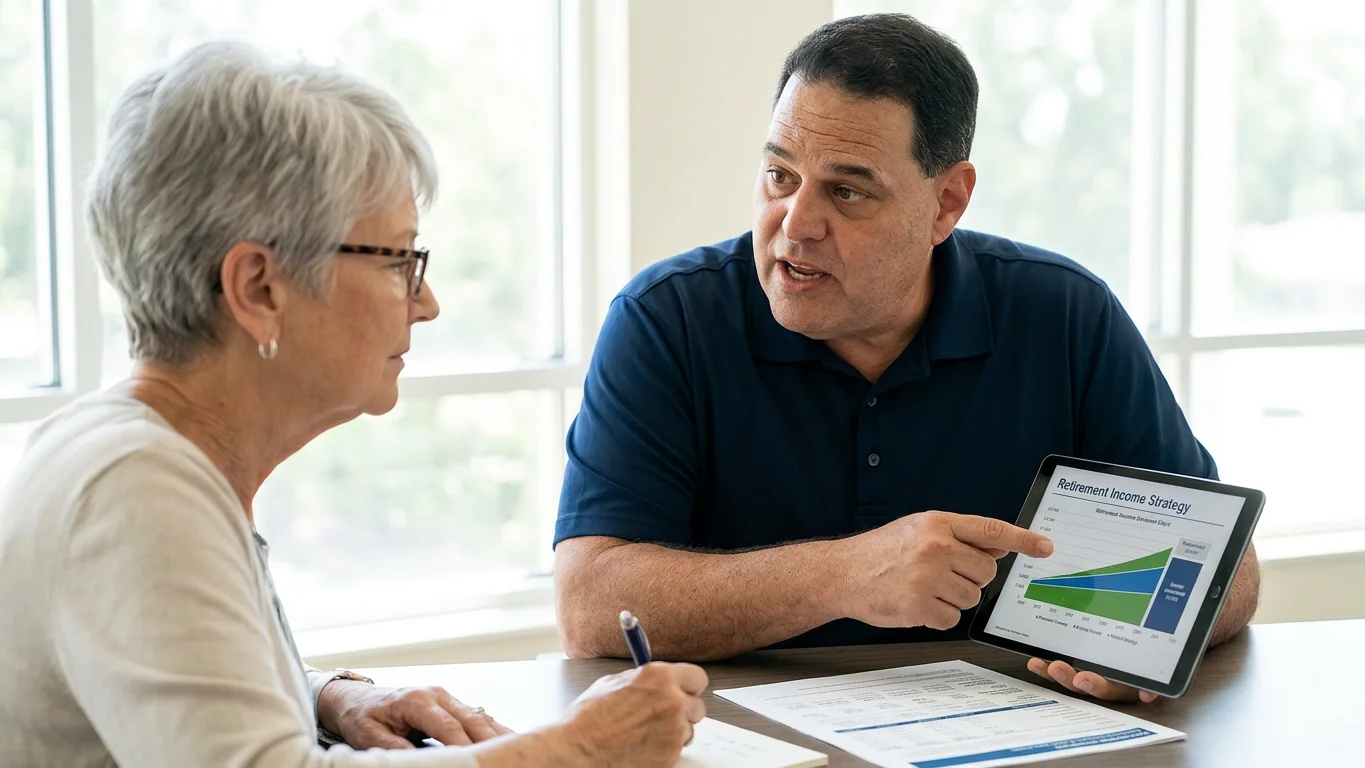
Step Two: Understand Your Rights as a Surviving Spouse
Florida pension plans, by law or by contract, often give surviving spouses “joint-and-survivor” options. But here’s the tough news: not all plans are the same. If your spouse chose a single-life payout at retirement, the payments may end at their passing. In many cases, survivor benefits continue only if your spouse selected them years earlier. If you’re not sure, call the plan administrator and ask them to explain—in plain English—what you’re entitled to as the surviving spouse or named beneficiary. It’s also a good time to check all beneficiary designations (on pensions, 401(k)s, IRAs, and life insurance) so nothing is overlooked.
Don’t let technical language or unfamiliar paperwork intimidate you. You deserve to know exactly what protections and income you have, and how survivor benefits or continuing payments may work for you. Some families learn too late they missed a benefit due to a paperwork error or out-of-date designation, something I’ve helped families avoid time and again.
Step Three: Apply for Survivor Benefits and Social Security Payments
Each provider—pension, Social Security, IRA—runs on its own rules. You must reach out to each one, and you may need to provide a certified copy of the death certificate every time. You can’t assume Social Security, pension plans, or other retirement funds will communicate with each other.
-
Have a certified copy of the death certificate ready
-
Speak with both the pension plan and Social Security office — they are separate processes
-
Ask about survivor benefit options and whether the pension plan includes continuing payments
Once you’ve contacted the right organizations, ask how soon your survivor benefits or Social Security payment may start. Many cases resolve within a couple of months, but some drag out—especially if documents are missing or beneficiary designations are unclear. Don’t hesitate to ask questions. It is your right, and it accelerates the process.
Real Stories: Common Issues When Claiming Survivor Benefits in Florida
There’s a reason I approach this work as a lighthouse and not a tugboat—you steer, I light the safest route. Over the decades, I’ve seen the smallest overlook create years of regret. The most common issues? Unclear beneficiary forms, miscommunication between offices, and outdated assumptions about Social Security survivor benefits.
Beneficiaries vs. Surviving Spouse: The Potholes You Might Hit
Even if you’re the surviving spouse, you must check every beneficiary form on record. For many benefits (especially IRAs and 401(k)s), payment goes to the named beneficiary, not automatically to the spouse. Don’t assume you’re listed—review and update forms whenever life changes. I’ve seen families wait months for a payment that could have been handled in weeks if only someone told them who to call and what to expect. You don’t have to do everything alone.
“I’ve seen families wait months for a payment that could have been handled in weeks if only someone told them who to call and what to expect. You don’t have to do everything alone.”
When You May Qualify for More: Public Sector and Teacher Pension Nuances
If your spouse worked in Florida’s public sector or was a teacher, some special pension rules may apply. Many public retirement systems have additional steps, optional insurance, or unique survivor benefit calculations. Don’t miss out just because the paperwork seems overwhelming. Speak directly with the plan administrator to clarify your entitlements. In many cases, survivor benefits can significantly boost monthly income—if you ask for them in time.
After the Funeral Home: Ongoing Support and Monthly Income Confidence
The most overlooked question is: How will I cover the bills each month? Even after the last condolence card has arrived, your need for clarity—and cash flow—remains. Confirm every beneficiary: pension, IRAs, 401(k)s, and any life insurance policy. If you remarry after age 60, Social Security survivor benefits may change, so it pays to get wise counsel before making decisions. My promise is to help families see their options in black and white, so the stress of “Will the money last?” can finally take a back seat.
-
Check all beneficiary designations — pension, IRA, 401k, life insurance
-
Update Social Security if you remarry after age 60 (this can impact benefits)
-
Work with someone who explains the fine print before you make big decisions
People Also Ask About What Happens to Pension When Spouse Dies in Florida
When a spouse dies, does the wife get his pension?
In Florida, it depends on the pension plan’s rules and what options your spouse selected at retirement. Most traditional pensions offer a survivor benefit — usually called a “joint and survivor” option — but it’s not automatic for everyone. If your spouse chose a single life payout rather than a joint and survivor option, payments might stop after their death. It’s critical to check the specific plan documents or call the administrator for clarity.
When a husband dies, what is the wife entitled to in Florida?
As a surviving spouse in Florida, you may be entitled to some or all of your late husband’s pension if he selected a survivor benefit. You’re also likely to be eligible for Social Security survivor benefits and a one-time Social Security death payment if you meet their criteria. Your rights to inherited IRAs and 401ks depend on named beneficiary forms, not just on being married. Always double-check your status and ask questions until you understand your position fully.
If my husband dies, will my wife inherit his pension?
The most important factor is how the pension was set up. If the pension includes a joint and survivor benefit and your wife is named as beneficiary, monthly payments can continue. Otherwise, the pension may end. Always check the plan documents and keep beneficiary designations up to date. If there’s any uncertainty, ask the administrator to show you the options in writing so your family has clarity.
Does everyone get the $2500 death benefit?
Actually, the Social Security one-time death payment is $255 (not $2500) and is only paid to certain eligible family members — usually a surviving spouse who was living with the deceased or a minor child. Other death benefits, such as pension lump sums, vary by plan. If you’re unsure if you may qualify, contact Social Security directly or work with a knowledgeable advisor who can guide you through the forms.

Your Next Steps: Plain-English Actions for Florida Families Navigating Pension After a Spouse’s Death
-
Gather important documents (death certificate, pension statements, Social Security card)
-
Notify pension and retirement plan administrators promptly
-
Visit or call the local Social Security office to claim survivor benefits
-
Consult with an independent retirement planner before making irreversible decisions
-
Take care of yourself and let others help you navigate the paperwork
FAQs on What Happens to Pension When Spouse Dies in Florida
-
How quickly can survivor benefits start in Florida?
Survivor benefits, including pension and Social Security payments, can begin as soon as all paperwork is processed—this is typically within 1-2 months but may be delayed by missing documents. Prompt contact with the right offices can speed things up. -
Can I lose pension benefits if I remarry?
In some pension and Social Security systems, remarrying before age 60 (50 if disabled) can affect your eligibility for survivor benefits. Always consult both your retirement plan and Social Security before making major life changes. -
What if my spouse worked for the state of Florida or was a teacher?
Public sector pensions often have special options and rules for survivor benefits. You may qualify for unique protections or payouts—ask your spouse’s plan administrator to walk you through everything you may qualify for. -
Do I pay taxes on survivor benefits or pensions?
Most pension income and survivor benefits are taxable, but the details vary by benefit type. Check with a tax advisor or retirement planner who’s familiar with Florida law and your specific pension. -
What happens to their 401k and IRA accounts?
These accounts pass to the named beneficiaries, not automatically to the spouse. Make sure you’re listed as the beneficiary to avoid complications and delays.
A Lighthouse in the Fog: One Last Word From Ken
“When you’ve lost someone, the last thing you should deal with is confusing paperwork or a hard sell. My job — my calling — is to help you see clearly, not to pressure you. If you have questions, just ask. There’s never a cost to have a real conversation with me.”
Ready to Turn Uncertainty Into Clarity?
Let’s map your descent before you start it :https://safemoneysteps.com/
Watch:see how to handle pensions, Social Security, and survivor benefits with peace of mind
You don’t have to face these decisions alone. When the paperwork feels endless and your heart is heavy, let’s make a plan together. A lighthouse doesn’t steer your ship—it simply lights the safest way forward.