
Picture this: You’re at your kitchen table—DROP check in hand—thinking, “Did I make the right moves?” I know that moment. You’ve spent years saving, following the rules, working late because you cared about every detail in your job. And now, in Tampa or somewhere nearby, you’re facing one big, life-sized question: What do I do with my DROP money? You’re not alone. Over nearly four decades, I’ve walked this path with so many folks who feel the same relief, confusion, and anxiety. And let’s be honest, it’s perfectly normal to look at those savings and feel a mix of gratitude… and worry. Today, I want to help you make sense of your options—plain and simple.
-
Imagine you’re sitting at your kitchen table, DROP check in hand, wondering: ‘Did I make the right moves?’
-
You’re not alone — many in Tampa feel the same mix of relief, confusion, and anxiety about the deferred retirement option program.
-
It’s normal to feel a bit lost after years of saving turning into a single big decision.

If You’re Wondering What to Do with DROP Money in Tampa…
Let’s address this head-on: If you’re in Tampa and holding a DROP lump sum or figuring out what happens when your Deferred Retirement Option Program (DROP) period ends, this article is for you. Whether you served in the public schools, law enforcement, city hall, or another vital Tampa role, the questions are the same: Should you roll the money over? Leave it where it is? Cash it out? What about taxes, market swings, and making the money last for real-life needs—yours, your spouse’s, your family’s?
When your years of service finally turn into a payout, it’s not just a number—it’s the next chapter of your life. In this guide, I’ll walk you through the nuts and bolts, but also the “what-ifs” and “how-tos” that matter most. By the end, you’ll know not just the mechanics, but how to start building a path toward peace of mind. Let’s take it step by step, and keep it in plain English.
What You’ll Learn About Managing DROP Money in Tampa
-
How the Deferred Retirement Option Program (DROP) works, in plain English
-
Common mistakes to avoid after collecting DROP funds
-
Options that keep your family’s needs secure in Tampa
-
How to build a simple financial plan you actually understand
-
Why taxes and timing matter—plus how to handle both
-
Stories and analogies from others who have walked this road
Understanding the Deferred Retirement Option Program
What Is the Deferred Retirement Option Program (DROP)?
-
DROP, or the Deferred Retirement Option Program, lets you keep working and earning salary while your pension payments collect and grow in a side account.
-
At retirement, you receive a big lump sum—your DROP money—in Tampa or wherever you retire.
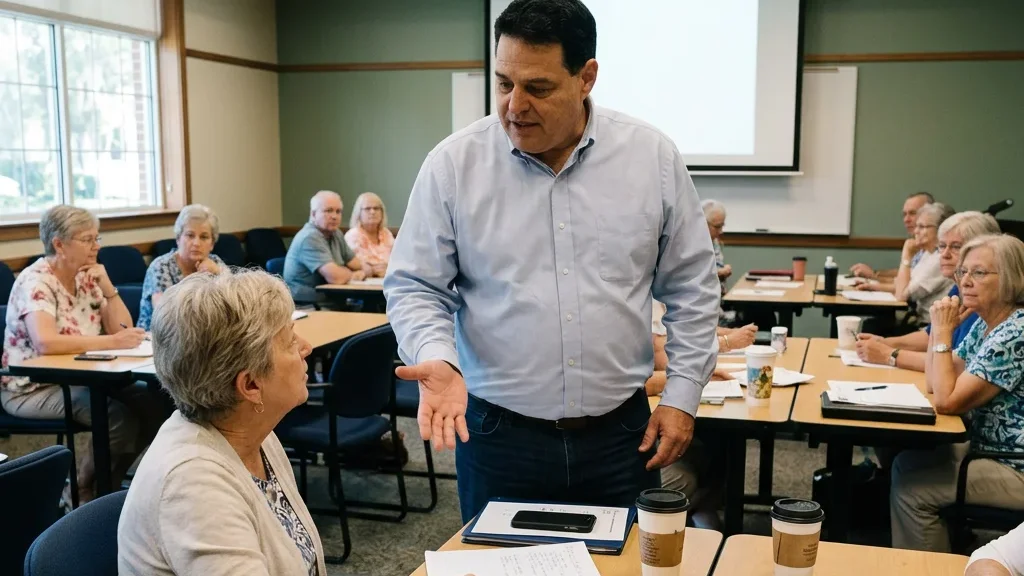
If you’re hearing about DROP for the first time: It’s a special part of the Florida Retirement System (FRS) and many similar pension plans. DROP gives eligible members—for many, that means public school employees, police, firefighters, or other city workers—a window where you “retire on paper. ” You stop building up more years of service for your pension benefit, but you keep working and getting your paycheck. Meanwhile, your pension benefit is calculated as if you’d retired; your monthly retirement income starts to stack up in a DROP account. At the end of the DROP period (usually up to five years), you get that account as a single sum.
It’s a clever way to reward long service, and it means you have important choices to make at your retirement date. Will you roll your DROP money over to an IRA? Take the cash? Leave it in the plan? Each route comes with its own risks, tax questions, and effect on your future financial security. Let’s break down your options, the big things to watch for, and how to fit that payout into the rest of your financial plan.
Why Tampa Public Employees Choose DROP
-
For Tampa’s dedicated public workers, the DROP program is often the reward for a long, service-filled career.
The deferred retirement option program exists because our communities recognize the dedication—and the physical or mental toll—that come with years of public service. For educators, first responders, city planners, law enforcement, and countless others, DROP puts both a thank-you and a challenge on the table: You’ve earned your pension, you’re close to or past normal retirement, but now you get one last push of continued income while your benefits grow on the side. That DROP money can mean the difference between nervously watching your expenses and feeling free to visit grandkids, tackle a home improvement, or just sleep easy.
It’s not just about the lump sum. It’s about giving you more breathing room to choose how (and when) to truly retire on your terms. But as we’ll see, the path you take with your DROP money—rolling over, cashing out, or leaving it where it is—shapes your family’s options for decades to come.
Why Planning Matters: The Emotional Side of Your DROP Money
“Most of us have spent decades following the rules and saving — but nobody teaches you how to turn that pile into an income you can trust.”
-
What does DROP money really mean for you and your family?
-
Why many fear running out, and how a thoughtful retirement option program addresses that.
-
Lifestyle shifts: the worries and hopes that come from a lifetime of work transforming into a new chapter.
Here’s something most guides skip: It’s not just about numbers. Your DROP money is more than a payout—it’s everything you worked for, all at once, staring you in the face. No wonder the end of the drop period triggers such relief and worry, hope and doubt. Maybe your kids are grown, your spouse is counting on you, or you worry about being a burden down the road. You want to make sure this money truly serves its purpose: keeping your household steady, helping you maintain dignity, enjoying life a little, and protecting your family in case you’re not around someday.
The retirement option program is meant for that sort of peace of mind—but only if you have a plan. Without it, folks wind up making expensive mistakes, taking too much risk, or missing out on the restful years they earned. We’ll talk honestly about those dangers, and, as always, the path through to confidence.

Your Options for What to Do with DROP Money in Tampa
Rolling Over Your DROP Money: Pros and Cons
-
Protecting your DROP savings with a direct rollover: what it is, and how it avoids taxes and early withdrawal penalties.
-
Why some risk leaving money exposed to market swings.
-
How a rollover fits into your larger financial plan.
For many DROP participants, the safest first move is a direct rollover of your DROP money into an Individual Retirement Account (IRA). That sounds fancy, but it’s as simple as moving the funds straight from your DROP account to an IRA—no stops at your checking account along the way. Do this right, and you typically avoid taxes and penalties up front. The IRS gets paid eventually, but not today.
The pro: protection. Your savings move out of the plan, often opening up more investment and income choices. You can still shelter the money from the IRS until you need it, and you can design a retirement income plan for you and your spouse that actually fits your needs. The con: Risk depends on how you invest the rollover. Some jump into hot stocks or high-fee funds without knowing the downside. This is where a written, personalized financial plan—not a sales pitch—shows its value. My best advice? Don’t let headlines or product hype steer you here. We look at your full picture, your risk “temperature,” and how this piece fits alongside your pension, Social Security, and other savings.
Leaving DROP Money Where It Is: Risks and Restrictions
-
What it means to stay in the retirement option program account, and what can go wrong.
-
Understanding required minimum distributions (RMDs) and how they can affect your taxes.
Some retirees decide to leave their DROP money in the default DROP account—or simply don’t make a decision and wind up there by accident. It may sound convenient, but beware: Most DROP accounts restrict your investment options, may limit your access, and will eventually trigger required minimum distributions (RMDs)—forced withdrawals that can push you into a higher tax bracket. The longer money sits in the DROP account after you retire, the more you risk the IRS dictating withdrawal amounts and timing.
If you like the “do nothing” approach, read the fine print; sometimes, inaction means you’ll get a taxable lump sum whether you mean to or not. It’s critical to coordinate your account strategy with your broader financial plan, weigh the pros and cons, and avoid blind spots that catch too many folks by surprise after the fact.

Taking a Lump Sum Distribution: When (and Why) It Makes Sense
-
The attraction—and the dangers—of a big payout.
-
How this move affects your taxes in Florida, and why that’s crucial in Tampa.
Cashing out your DROP money can feel like winning the lottery—the lump sum hits your account, the possibilities look endless. Pay off the house? Gift the kids? Buy that boat? But here’s my lighthouse-wisdom: With big sums come big risks. The moment you take possession (not a rollover, but a check to you), the IRS sees it as income and taxes it right then and there. In Florida, you’re spared state income tax—that’s a blessing. But the federal tax bill can be a real shock, especially if the payout pushes you into a higher bracket for that year.
On top of taxes, a lump sum with no plan is dangerous. Too often, folks overspend, leave money exposed to market dips, or just lose sleep about making it last. When does it make sense? Sometimes, for paying off high-interest debt, handling a specific family need, or if you have the self-discipline and a plan for stable monthly income. Otherwise, think carefully before pressing “deposit. ”
Building a Financial Plan with DROP Money in Tampa
Taking Inventory: What Do You Owe, What Do You Own?
-
List your debts, assets, income, and future needs.
-
The role of pensions, DROP money, Social Security, and personal savings in your bigger picture.
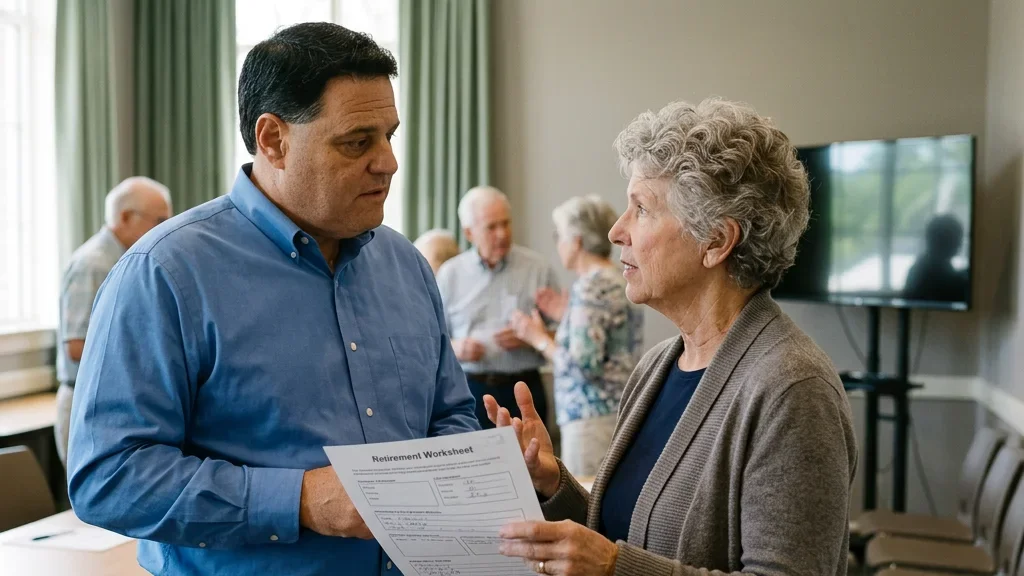
Before you act, I recommend one exercise above all: Write down everything. What do you owe (mortgage, car, credit cards)? What do you own (home, 401(k), IRA, DROP money)? What reliable income will you have: monthly pension, Social Security, rental income? This inventory doesn’t have to be fancy—pen and paper is fine if that’s your style. Seeing it all can be humbling and empowering at once.
Next, map out your needs. What is your “must-have” monthly number for keeping the lights on, covering food, insurance, and basic living? What future needs—health costs, supporting a spouse, legacy for your kids—are important? When you sketch this out, the role of your DROP lump sum starts to make sense, not as a pile to “grow” but as the foundation of your lifetime income.

Prioritizing Guaranteed Income in Retirement
-
How the peace of mind from guaranteed monthly checks outweighs flashy investment promises.
-
Protecting your spouse, providing for your family, and sleeping better at night.
If there’s one lesson from decades helping Tampa retirees, it’s this: Steady, reliable income is precious. Flashy investment pitches come and go, but nobody lies awake at night because their electric bill is paid, their groceries are stocked, and their spouse is protected no matter what the market does. I’ve seen how creating a simple plan for converting lump sum DROP money into guaranteed monthly payouts—alongside your pension and Social Security—can change lives.
Remember: Retirement isn’t about chasing returns or outsmarting the next Wall Street swing. It’s about making sure you, and the people you love, have money you can count on. This is especially true in Tampa, where families and faith are deeply rooted. Think of this as building your own private pension out of the lump sum, using tools and options that match your risk comfort and needs—not just chasing after the “best performance. ”
“I’ve had clients tell me the best night’s sleep they ever had was after we created a simple plan that spelled out: ‘Here’s your paycheck every month, rain or shine.'”
Key Factors for Tampa Retirees: Taxes, Timing, and the Law
Do You Have to Pay Taxes on DROP Money in Florida?
-
The IRS doesn’t let much slide—how to handle your tax bill, whether you roll over or cash out.
-
Special rules for Florida residents and those retiring in Tampa.
Many folks I meet are relieved to hear that Florida—unlike some other states—doesn’t tax retirement income. That means your DROP payout, your monthly pension, and even Social Security aren’t taxed by the state. But the IRS does step in. If you roll over your DROP money to an IRA, the taxes are deferred until you start taking withdrawals. If you cash out, you pay the tax immediately, which can be hefty. Understanding federal tax rules, and how required minimum distributions work, is as important as choosing investments or account types. If in doubt, ask a knowledgeable advisor to run the numbers with you before you make a move.
A final word here: It’s not just about this year’s tax bill. Timing your DROP decision with care—especially in a year you stop working—can keep more money in your pocket. A thoughtful plan weaves tax planning into every step, not as an afterthought, but as a central guide.
When to Take DROP Money: Market Timing versus Life Timing
-
Markets go up and down — but your groceries, bills, and vacations don’t wait for a bull market.
-
Personal milestones, health, and family plans might matter more than the headlines.
I’m often asked whether you should wait for “the right market moment” to move your DROP money. Here’s the honest truth: Markets are unpredictable. If you wait for the perfect news day, you risk sitting still forever. More important than any stock market forecast is your personal timing: your health, your spouse’s wellbeing, your plans for travel or helping grandkids, even your readiness to stop working.
Plan around your life, not just the headlines. If you need the income now, focus on building a reliable paycheck now. If waiting another six months means you’ll feel better prepared emotionally or financially, that’s reason enough. Let your family’s needs chart the course. The market will always do what the market does; our job is to make sure your groceries are paid and your sleep is sound, rain or shine.

Avoiding Common Mistakes with DROP Money in Tampa
Mistake #1: Not Having a Written Plan
-
Why a back-of-the-envelope plan isn’t enough when it comes to your future.
-
The difference a clear, black-and-white roadmap can make.
I can’t count the times someone tells me their “plan” is scribbled on a napkin—or worse, just an idea in their head. When it comes to your retirement savings, the cost of guessing is too steep. A real written financial plan, tailored to your needs, spells out what money comes in, what goes out, and what’s left to invest for the future. It’s the difference between staring into a storm and having a lighthouse in the fog—no guesswork, no sleepless nights, no hard sell.
You don’t need a 100-page report. What you need is a clear, readable outline you and your spouse can look at and say, “If we do this, here’s our paycheck, here’s our backup, here’s what goes to the kids if something happens. ” With DROP money, the stakes are simply too high to wing it.

Mistake #2: Listening to Everyone… Or No One
-
Sorting through ‘advice’ from neighbors, radio ads, and well-meaning friends.
Wouldn’t it be nice if everyone in Tampa agreed about what to do with DROP money? But for every insurance agent with a product to pitch, there’s a neighbor who “heard on the radio” what you should do. Some people freeze up and ignore everyone. Others chase every hot tip. The danger in both is that your needs get lost in the noise. The right way? Listen, but verify—preferably with someone who works for you, not for a company or commission. My role is to light up the map so you can steer wisely, not sell you something you don’t need.
A quick laugh: If I got paid for every wild story I’ve heard at Tampa barbershops (“Just throw the whole thing into bitcoin!”), I’d retire myself. Jokes aside, your family’s future deserves more than guesswork or gossip.
Mistake #3: Chasing Returns or Dodging All Risk
-
Finding a balance between safety and growth in your retirement option program.
-
Why the right amount of risk depends on your actual goals, not somebody else’s opinion.
Some retirees try to “beat” the market with their DROP account, chasing investments and returns like they’re still 30. Others become so risk-averse they park everything in cash, afraid to move a nickel. Neither extreme builds lasting security. The right mix depends on your goals: If income, spouse protection, and peace of mind matter most, that should drive your plan—not somebody else’s risk tolerance.
I often say: don’t take more risk than you need, but don’t avoid growth altogether. A financial plan can help you see what’s “enough” for you, so you’re not gambling with tomorrow or missing out on simple tools that offer safety and stability.
People Also Ask
What do I do with my drop money?
-
First, get clear on your goals: income, security, family needs. Then, review your rollover, lump sum, and investment options, all while considering taxes and guaranteed income streams in Tampa’s market.
Whether your DROP period just ended or you’re still a drop participant, the first step with your payout is clarity—not chasing the latest tip or a product pitch. Pin down what you need in monthly retirement benefit, explore rollover versus lump sum, and always fit the choice to your full financial picture.
Do you have to pay taxes on drop money in Florida?
-
DROP money can carry significant tax weight. Rolling over to an IRA typically defers taxes, while cashing out brings an immediate tax bill. Florida doesn’t tax retirement money, but the IRS does.
Statewide, you’re relieved from paying Florida income tax, but the federal government always wants its share. Think carefully before taking a full distribution—taxes can quickly eat away at that hard-earned lump sum.
Is the drop program worth it?
-
For many Tampa public employees, yes—if used wisely. DROP rewards long service, but its true value depends on how you manage the payout and your broader financial plan.
When integrated wisely into your retirement system strategy, DROP is a solid tool. Used impulsively or without a plan, it can become a source of stress. Like any option program, its value comes from how it serves your actual goals, not just the numbers on a statement.
Can I retire in Florida on $3,000 a month?
-
Thousands do, but it comes down to your spending, health, debt, and housing. With careful planning—and by minimizing costly mistakes—it’s absolutely within reach.
Cost of living in Tampa can be manageable if you stay aware of bills, debt obligations, and what truly makes you happy. A sound written plan can stretch $3,000 further than you might think, especially when you eliminate wild market swings and guarantee key income streams.
Frequently Asked Questions: What to Do with DROP Money in Tampa
-
What is a required minimum distribution (RMD) and when does it start on DROP money?
An RMD is the minimum amount the IRS requires you to withdraw each year from certain retirement accounts. For DROP money rolled to an IRA, RMDs generally begin the year you turn 73 (or 72 if you were born before July 1, 1949). -
Can my spouse inherit my DROP account or its income stream?
Yes. How your spouse can access your DROP or rollover income depends on how the funds are positioned—direct beneficiaries on IRAs or survivor benefits on annuity options. Make sure all paperwork is in order. -
What’s the safest way to turn a lump sum into monthly income?
For most, structured payouts via annuities or systematic withdrawals through a written plan (with blackout dates for market guessing) offer the best balance of safety and peace of mind. -
Do Tampa laws or rules make DROP any different than elsewhere in Florida?
In most respects, no—state law governs, and local tweaks rarely affect the core program. Always check for new updates, but you’re mainly playing by Florida Retirement System rules.
Table of DROP Money Options for Tampa Residents
|
Option |
Description |
Pros |
Cons |
Tax Implications |
|---|---|---|---|---|
|
Rollover to IRA |
MOVE your DROP lump sum into a personal retirement account (IRA) without taking direct possession. Offers flexible investment and income options. |
Defers tax; broad investment choices; may allow structured monthly income. |
Investment risk if not properly allocated; decisions needed for RMDs. |
Taxes deferred until withdrawals begin. |
|
Lump Sum Distribution |
Take your DROP balance as cash in one payment. |
Immediate access; flexibility to pay debts or fund major purchases. |
Immediate federal tax bill; risk of spending too quickly; no future growth. |
Full amount taxed as ordinary income in year received. |
|
Keep in Plan |
Leave funds in the DROP or pension plan (if allowed). |
Short-term safety; familiar environment. |
Limited control; RMDs begin at retirement age; may reduce flexibility later. |
Taxes due on forced withdrawals per IRS schedule. |

Practical Next Steps: Building Your Retirement Option Program
-
Gather your DROP statements and any pension info.
-
List monthly expenses and future needs, including health care and spousal support.
-
Connect all your savings dots—401(k), IRA, DROP, Social Security, and other sources.
-
List your must-haves: guaranteed income, legacy, travel, support for a spouse.
-
Sit down with an independent specialist, or start writing out your plan on paper—whatever gets you moving forward.

Stories and Mistakes I’ve Seen — And What We Learned
-
One Tampa couple sidestepped a huge tax bill by properly rolling over DROP money—they almost cashed out, but a second look saved them thousands.
-
A retiree who missed the RMD notice got a scary IRS letter and a penalty—an easy mistake, easily avoided with a plan.
-
And yes, a gentle warning: Don’t build your entire retirement around what the guy at the barbershop said. (His investment plan? “Hope and haircuts.” It didn’t end well.)
“The calmest people in retirement are the ones whose plan spelled out exactly how their bills would be paid, without ever needing to check the market.”
Short explainer video on making DROP money work for you (embedded)
Video coming soon: A calm, visual walkthrough of turning Tampa DROP money into a steady monthly income for your household. (No hype, just step-by-step clarity.)
Two Tampa retirees describe choosing between a lump sum and monthly income (embedded)
Key Takeaways for What to Do with DROP Money in Tampa
-
Start with your goals, not just the money.
-
Knowledge and a written plan beat guesswork every time.
-
Your best retirement option puts your needs, peace of mind, and family first—not products, hype, or trends.
Ready to Talk About Your Plans?
-
Ask me if guaranteed income fits your plan : https://safemoneysteps.com/
Conclusion: No matter where you are on your DROP journey in Tampa, a little knowledge and a clear, written plan will take you further than a hundred headlines or tips. If I can light the way, just ask—you steer, I’ll stand by the lamp.